




















Finding the Right Shape
Stone shape changes more than the outline of a ring. It influences how a piece feels on the hand, how much presence the stone has, and the overall character of the design.
Words
Erin Freeman
Photos
Erin Freeman
Stone shape changes more than the outline of a ring. It influences how a piece feels on the hand, how much presence the stone has, and the overall character of the design.
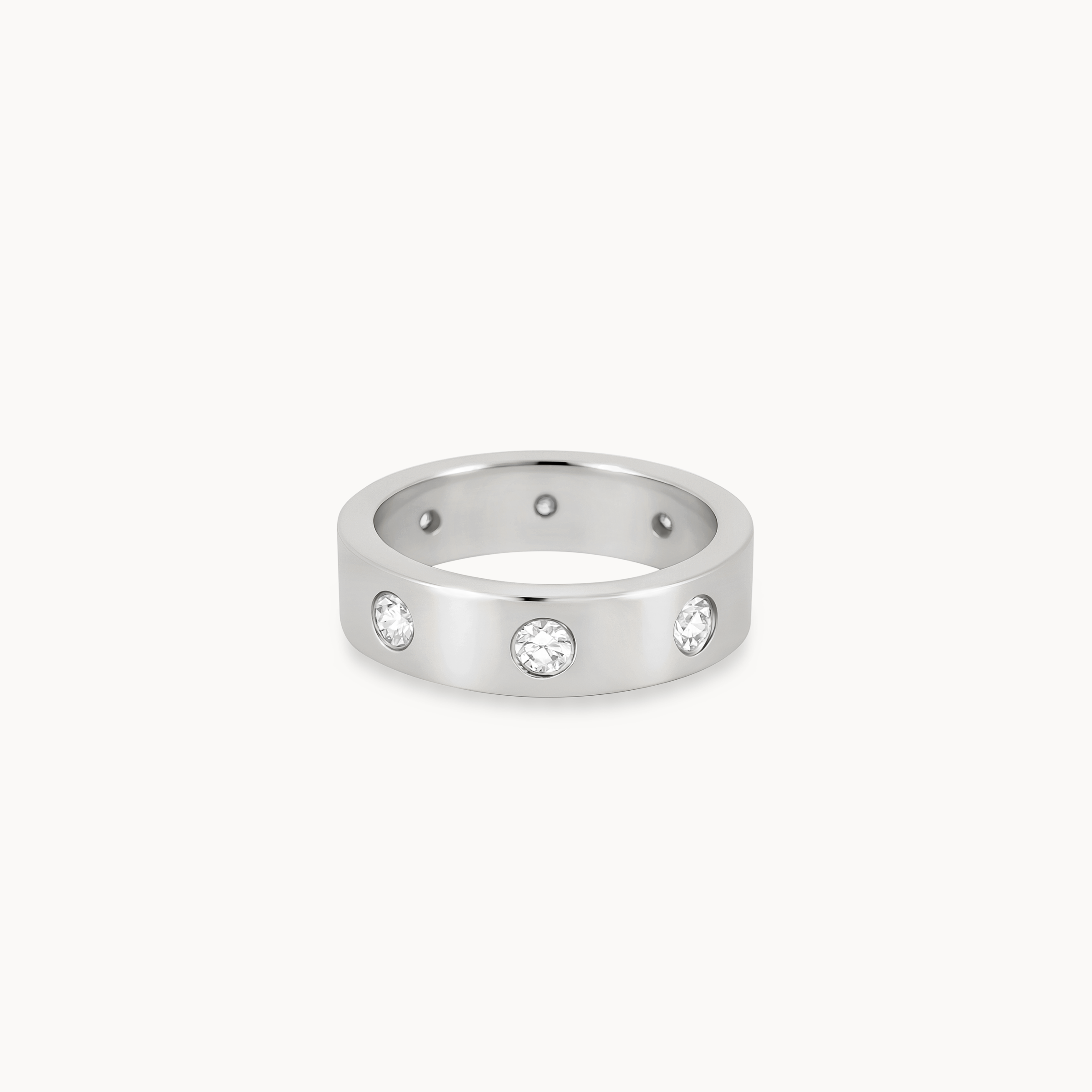
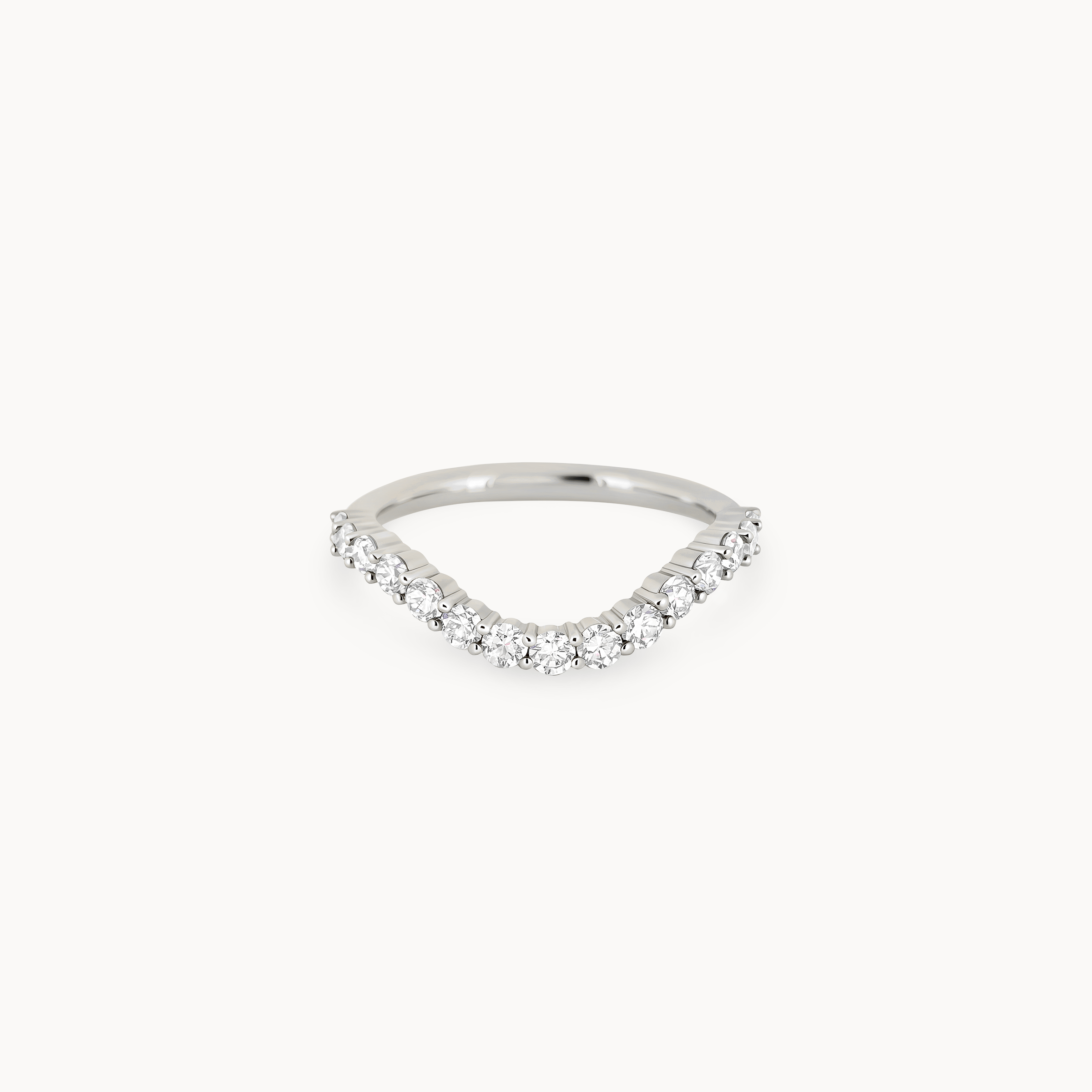
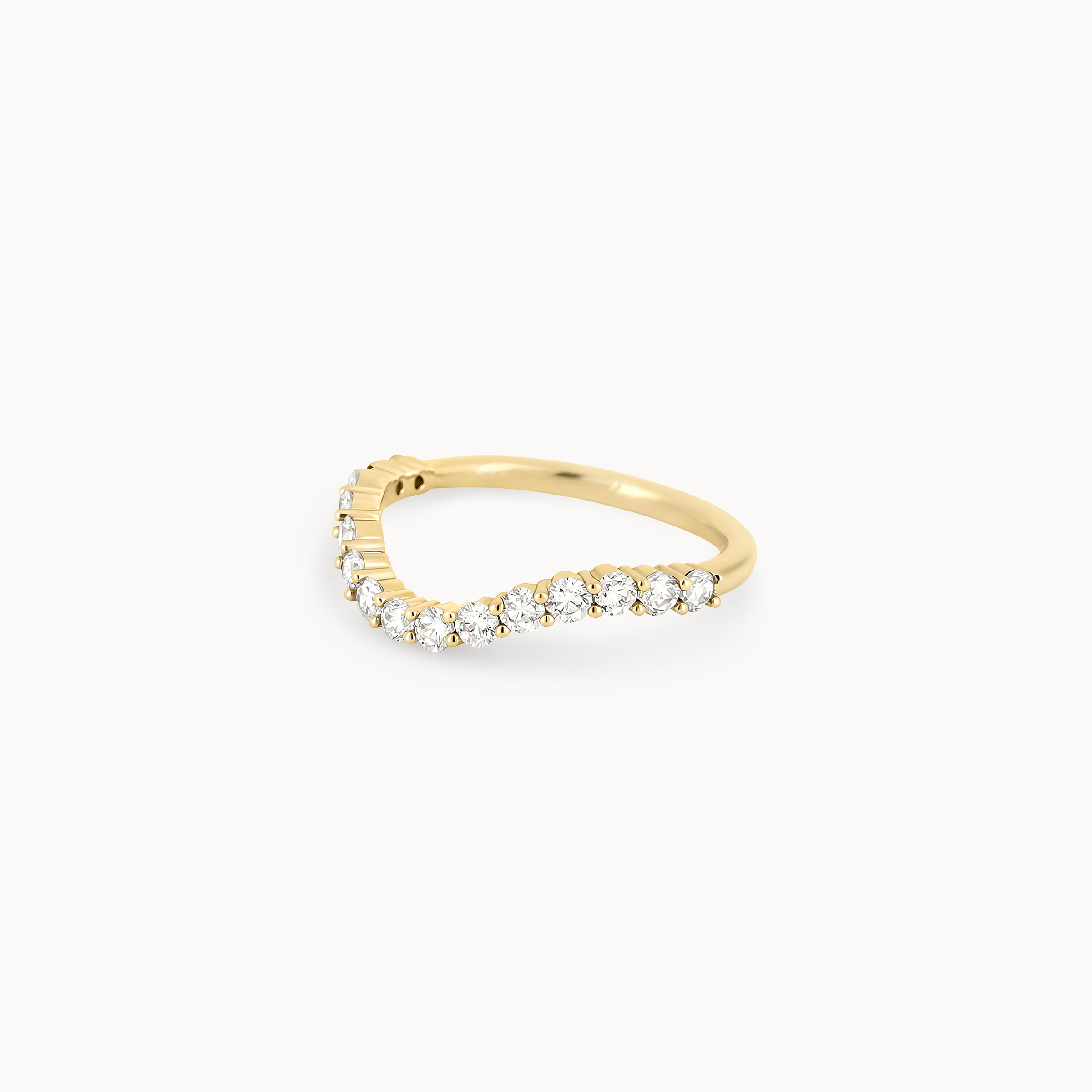
Round
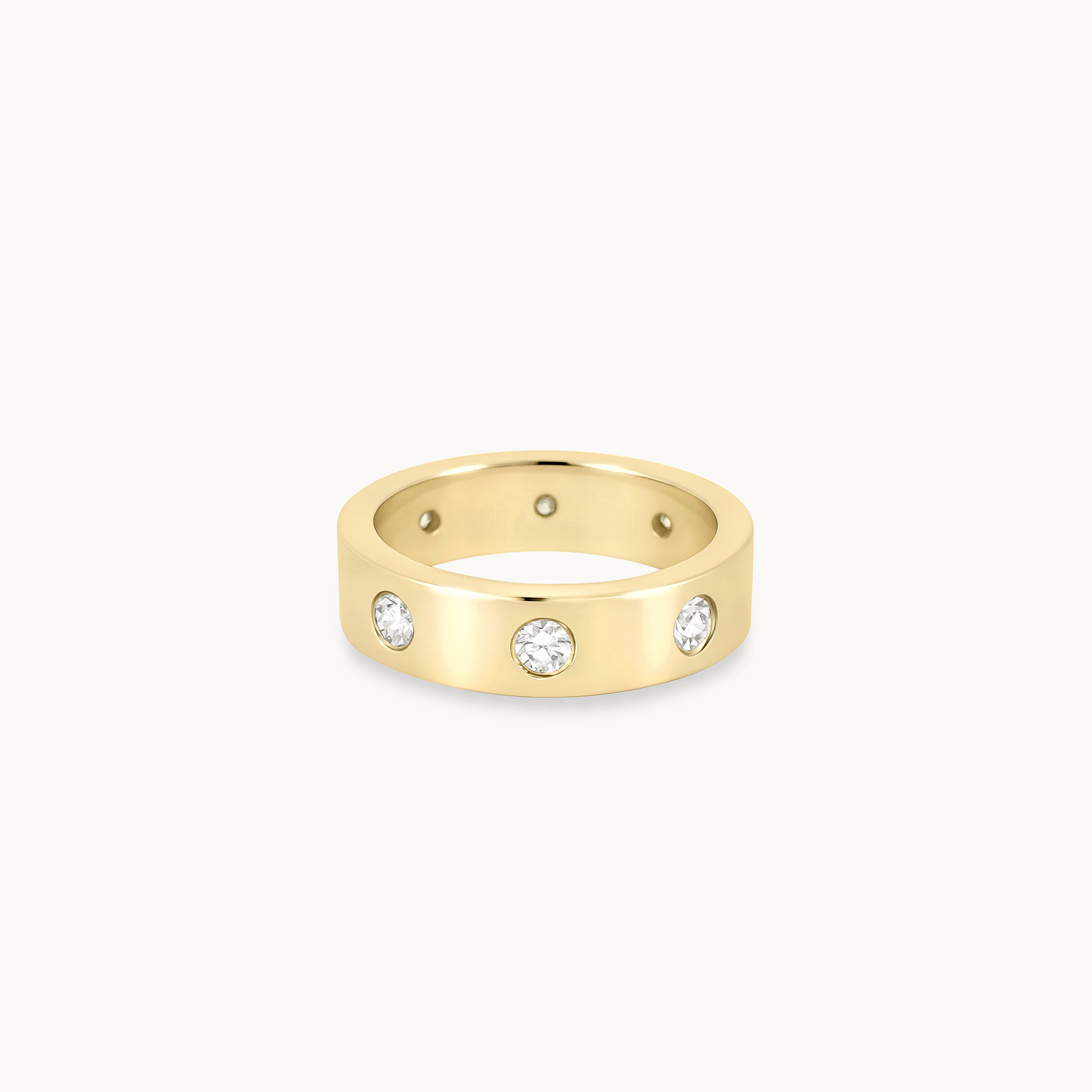
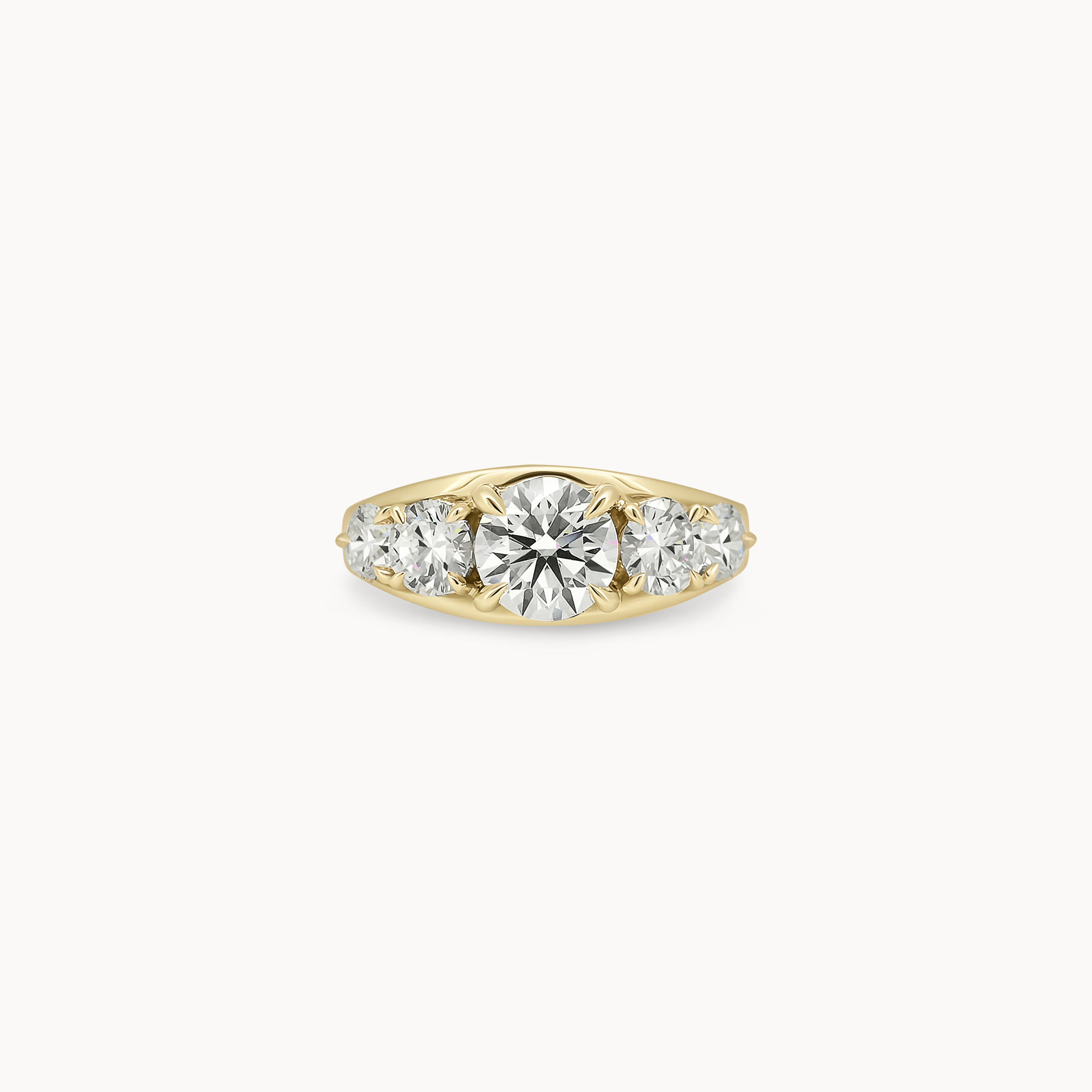
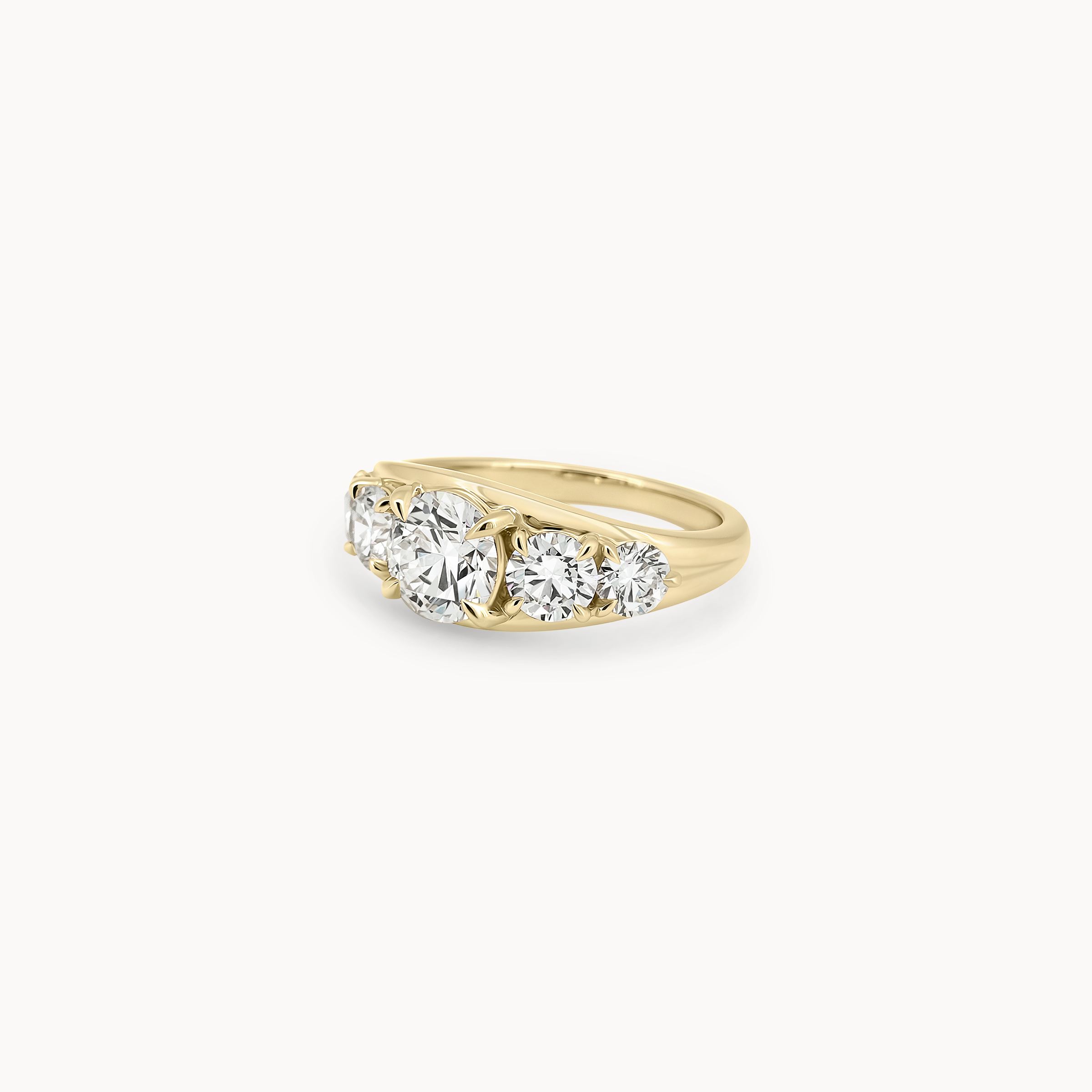
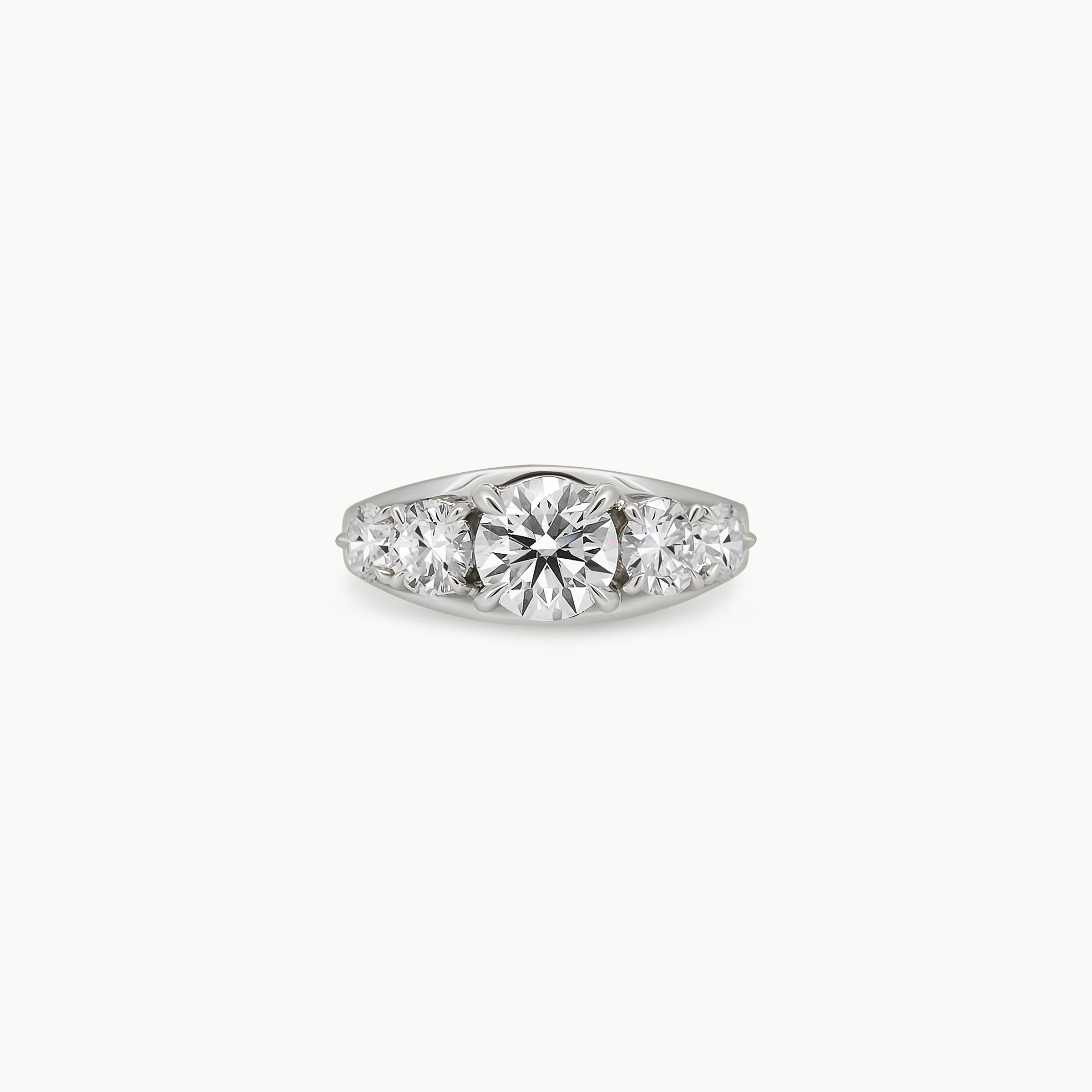
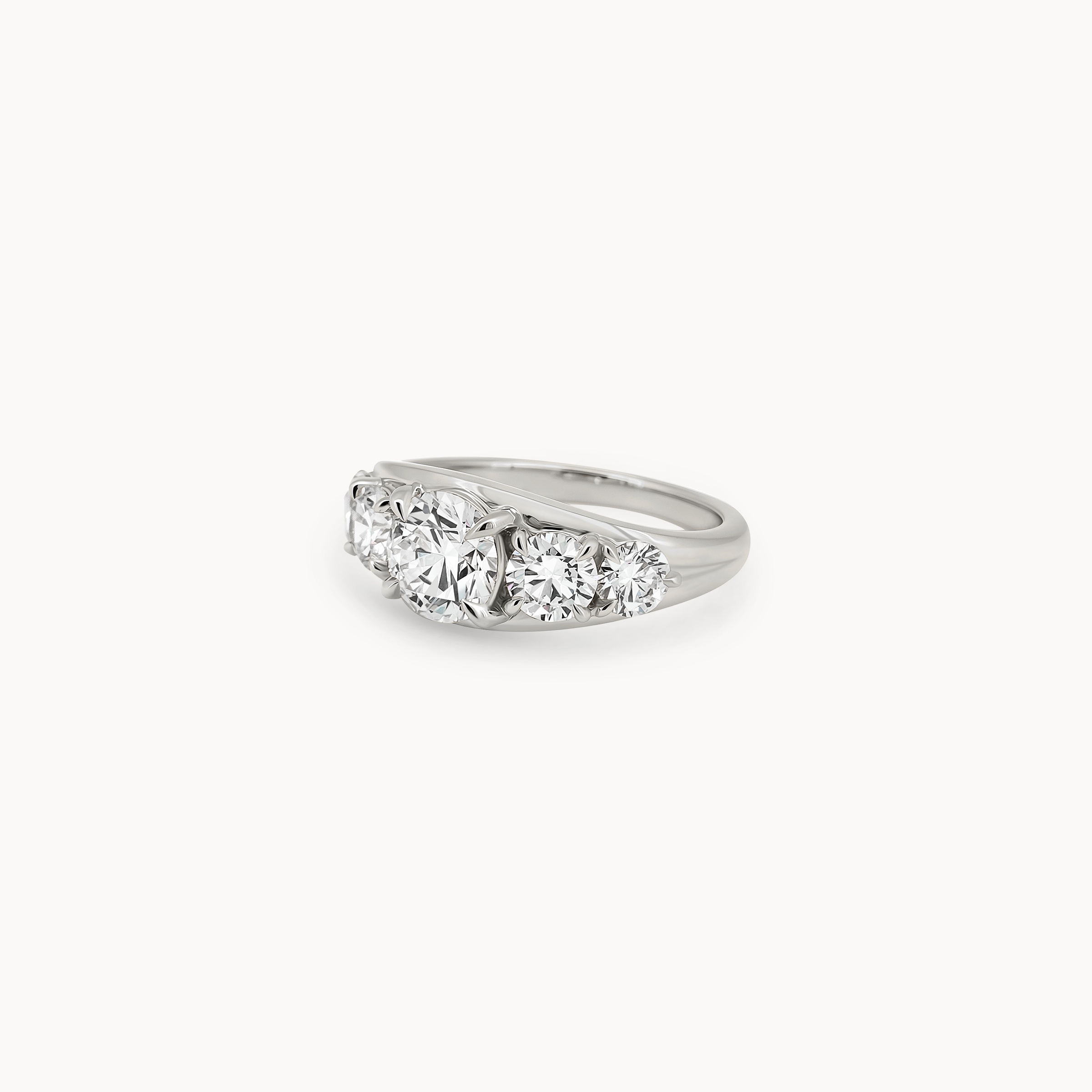
Known for its brightness and symmetry, the round brilliant is balanced and timeless. It makes a beautiful centre stone, but works equally well as an accent, particularly in diamond surrounds and more detailed settings.
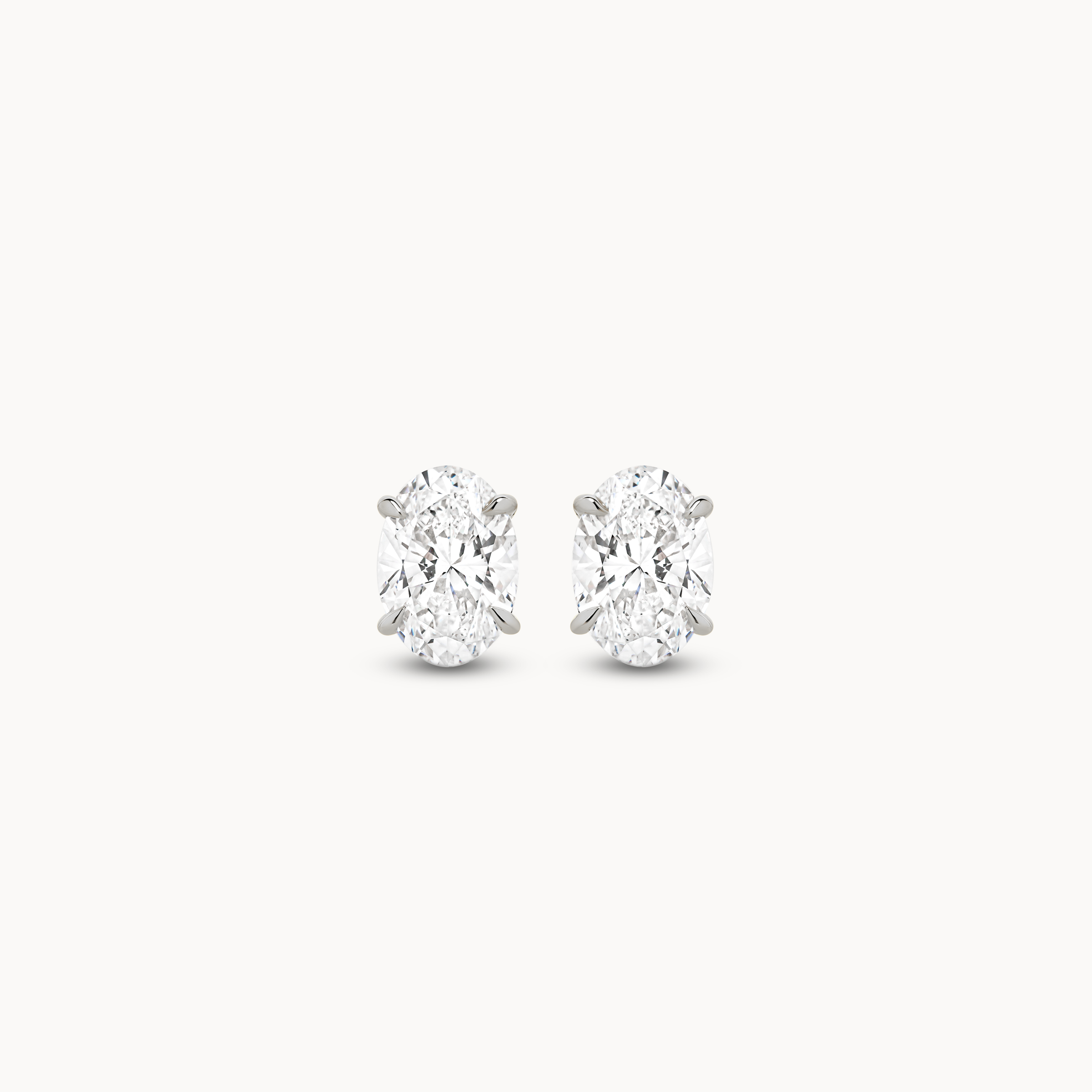
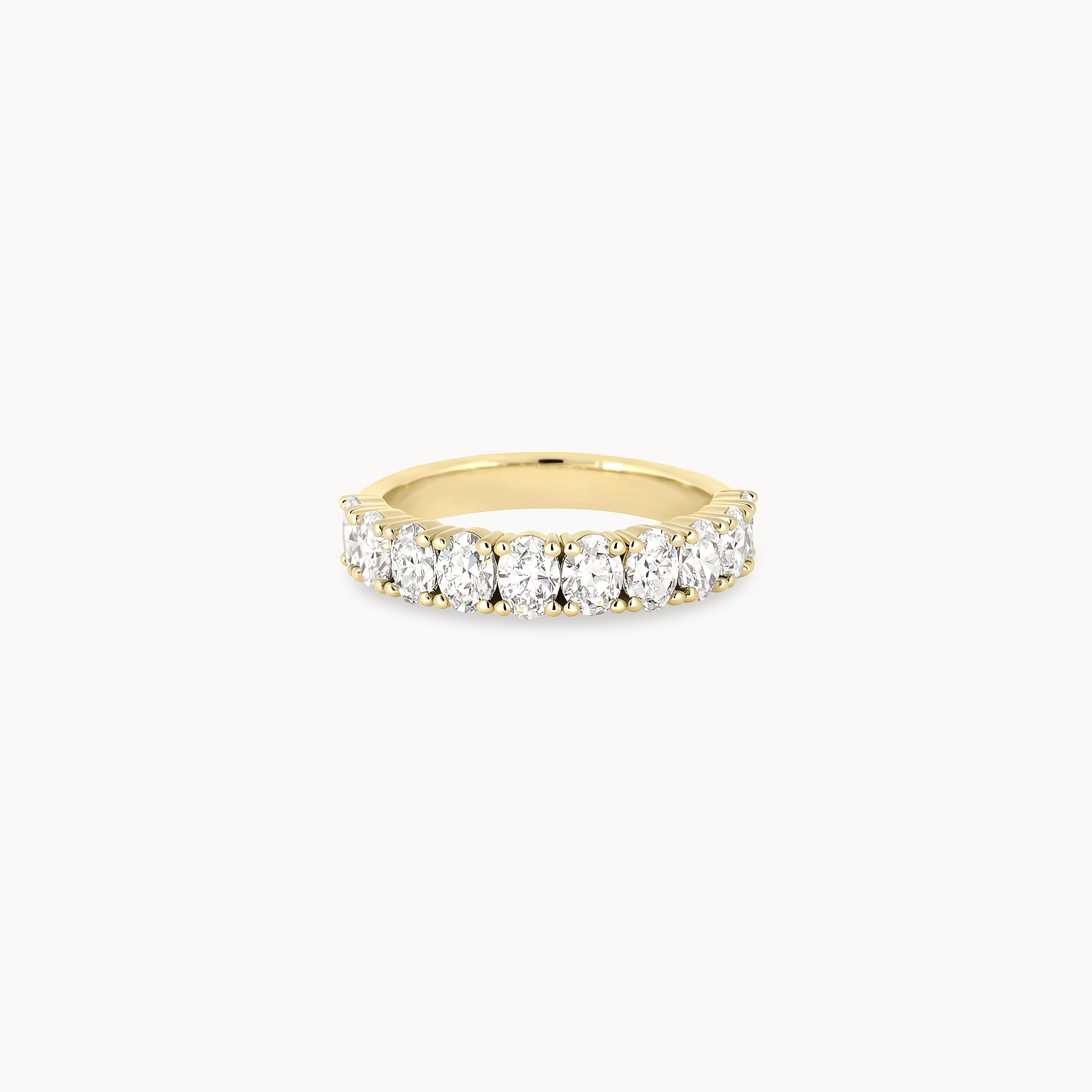
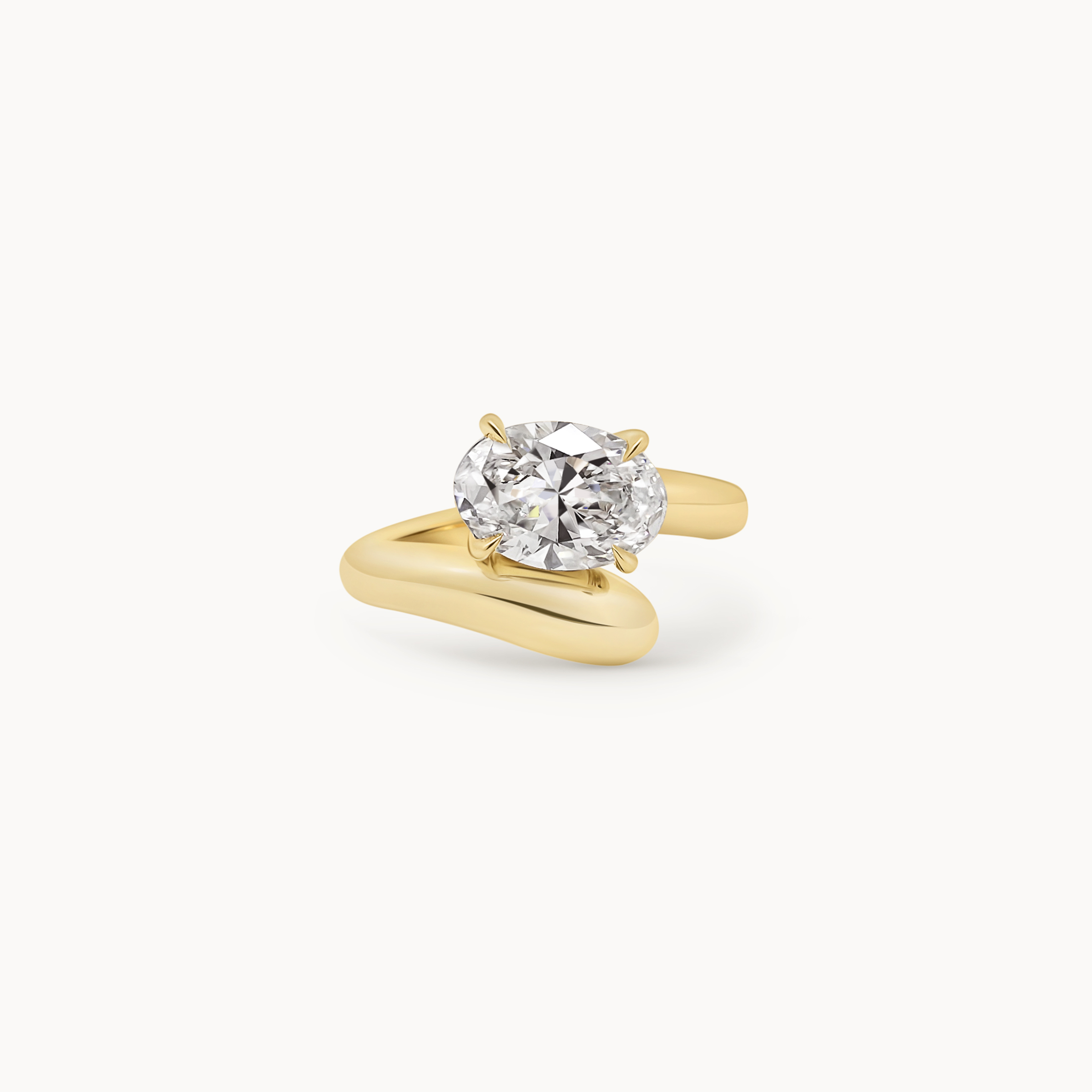
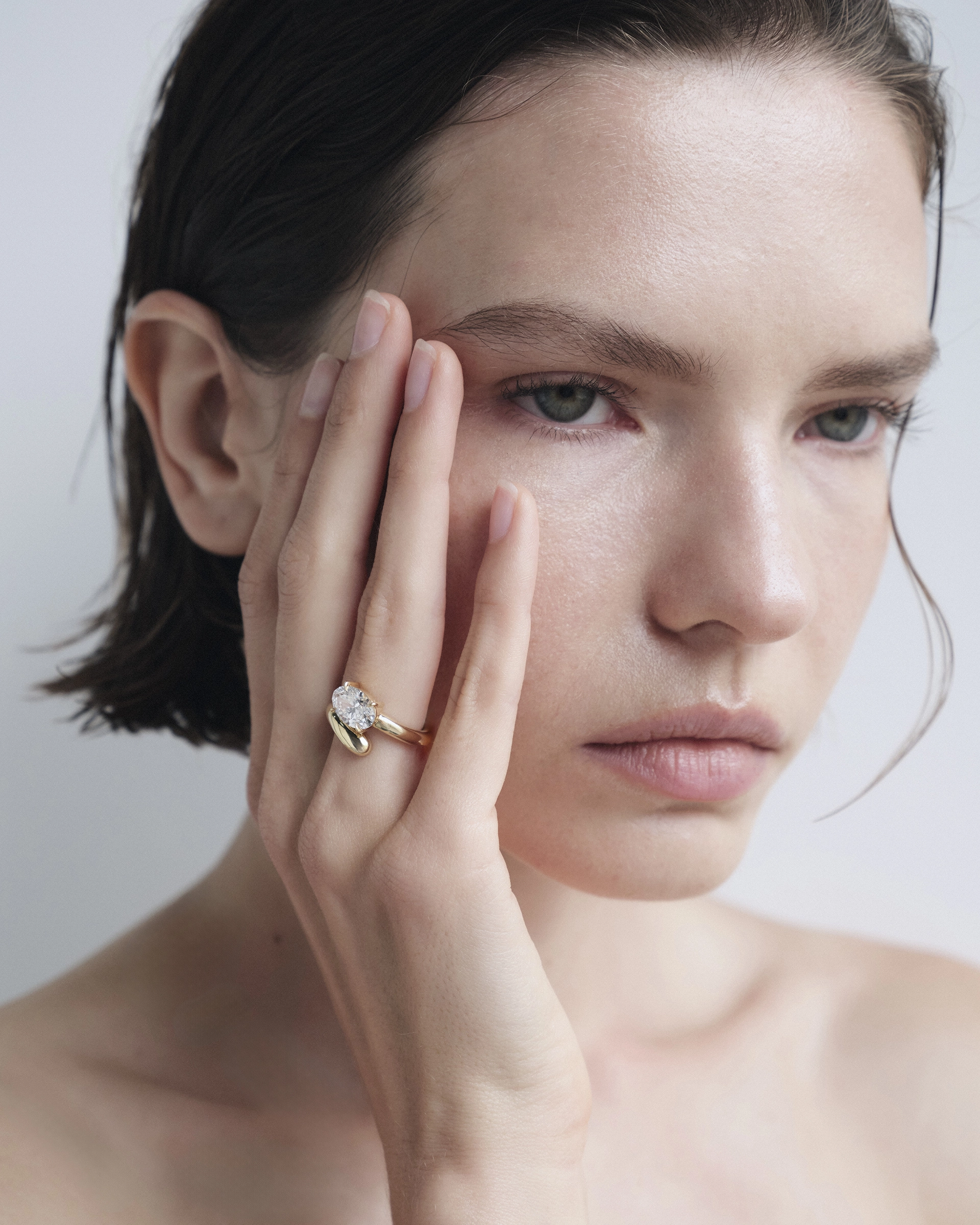
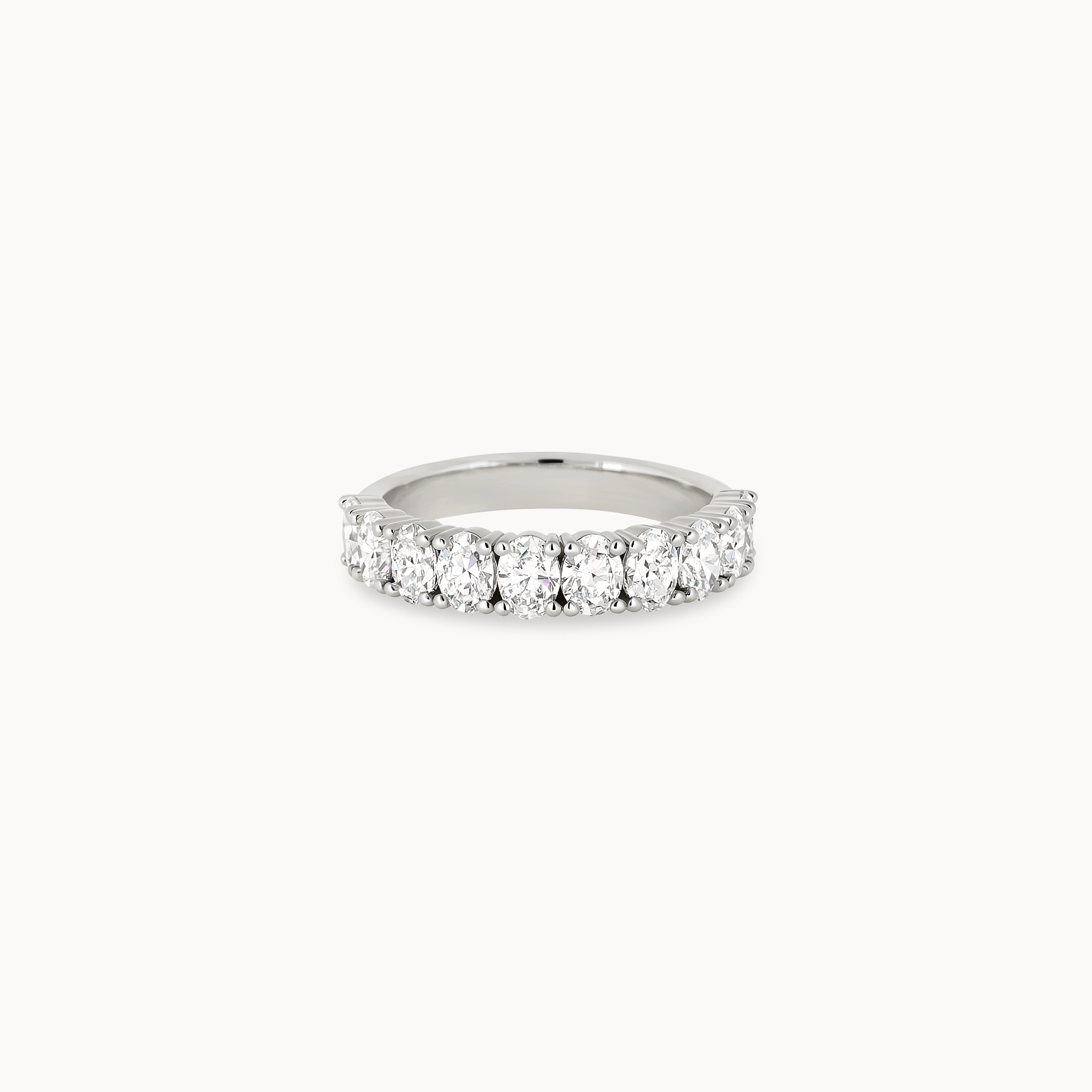
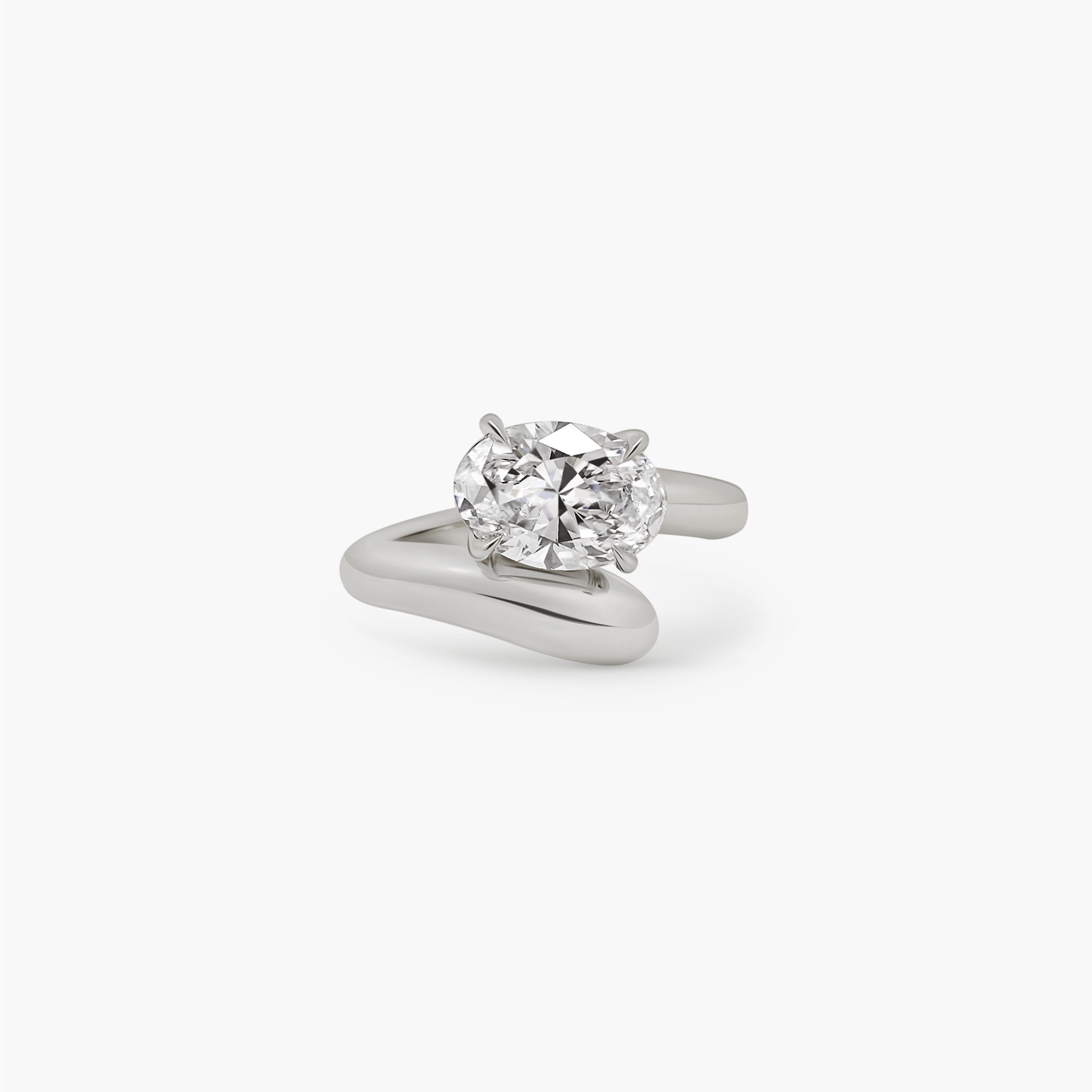
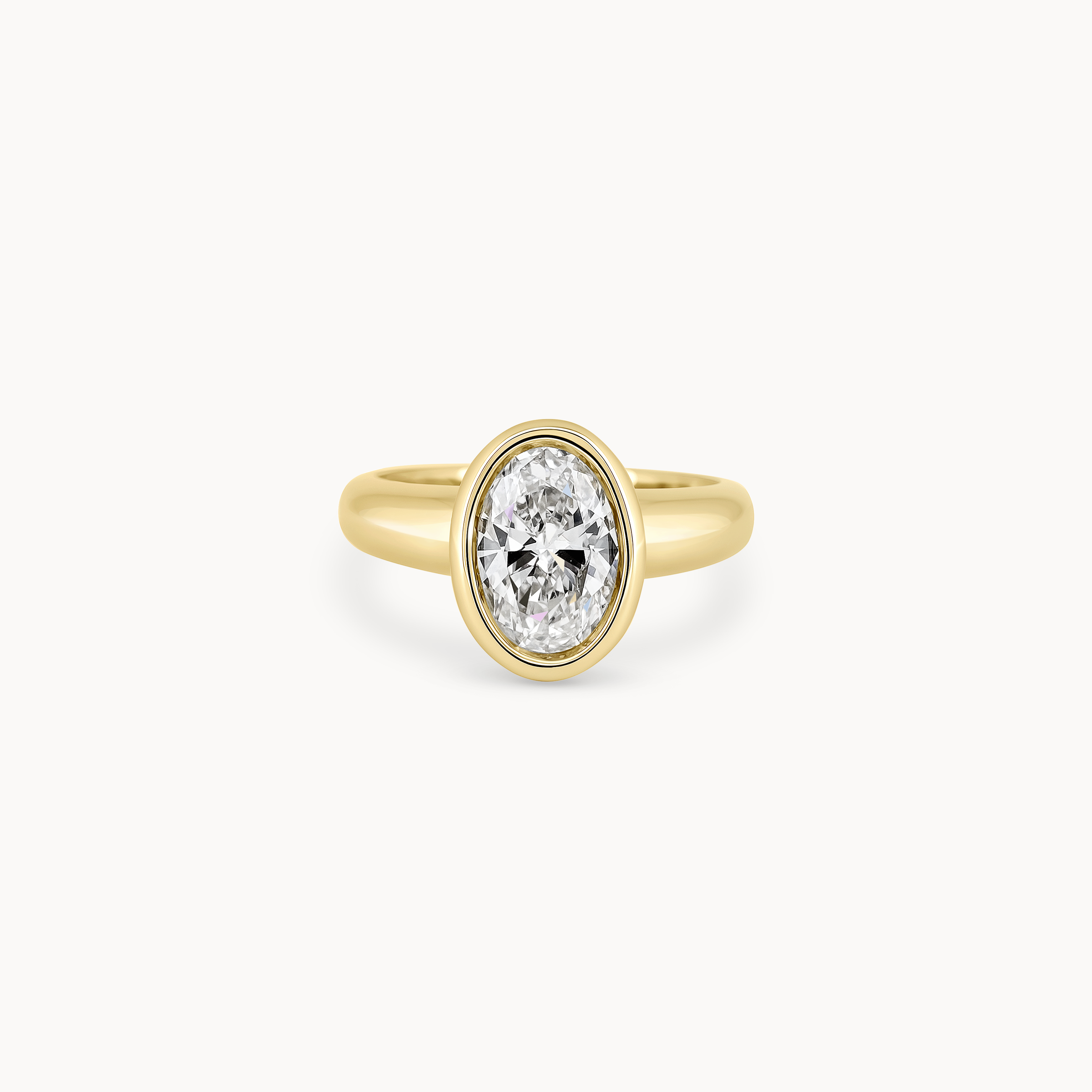
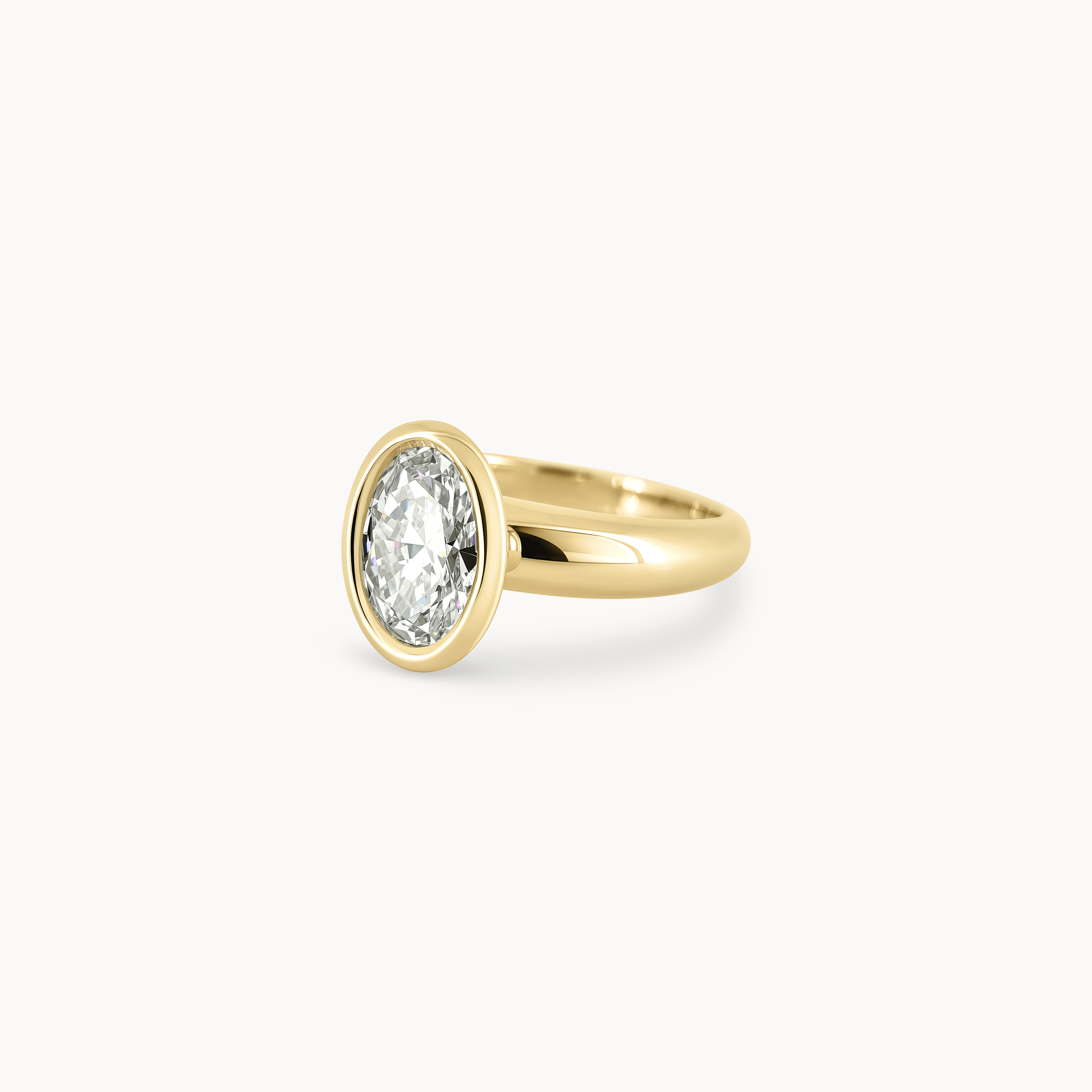
Oval
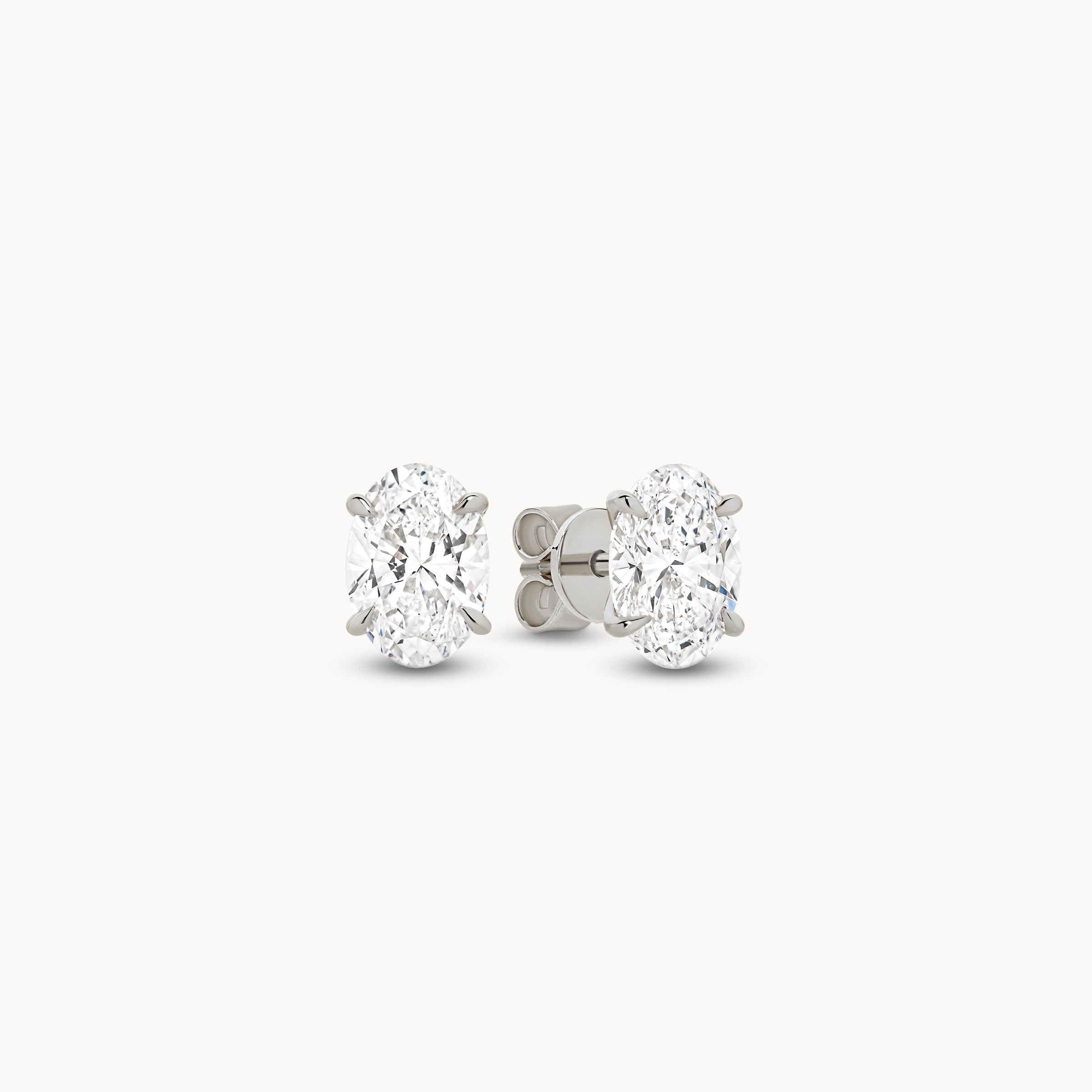
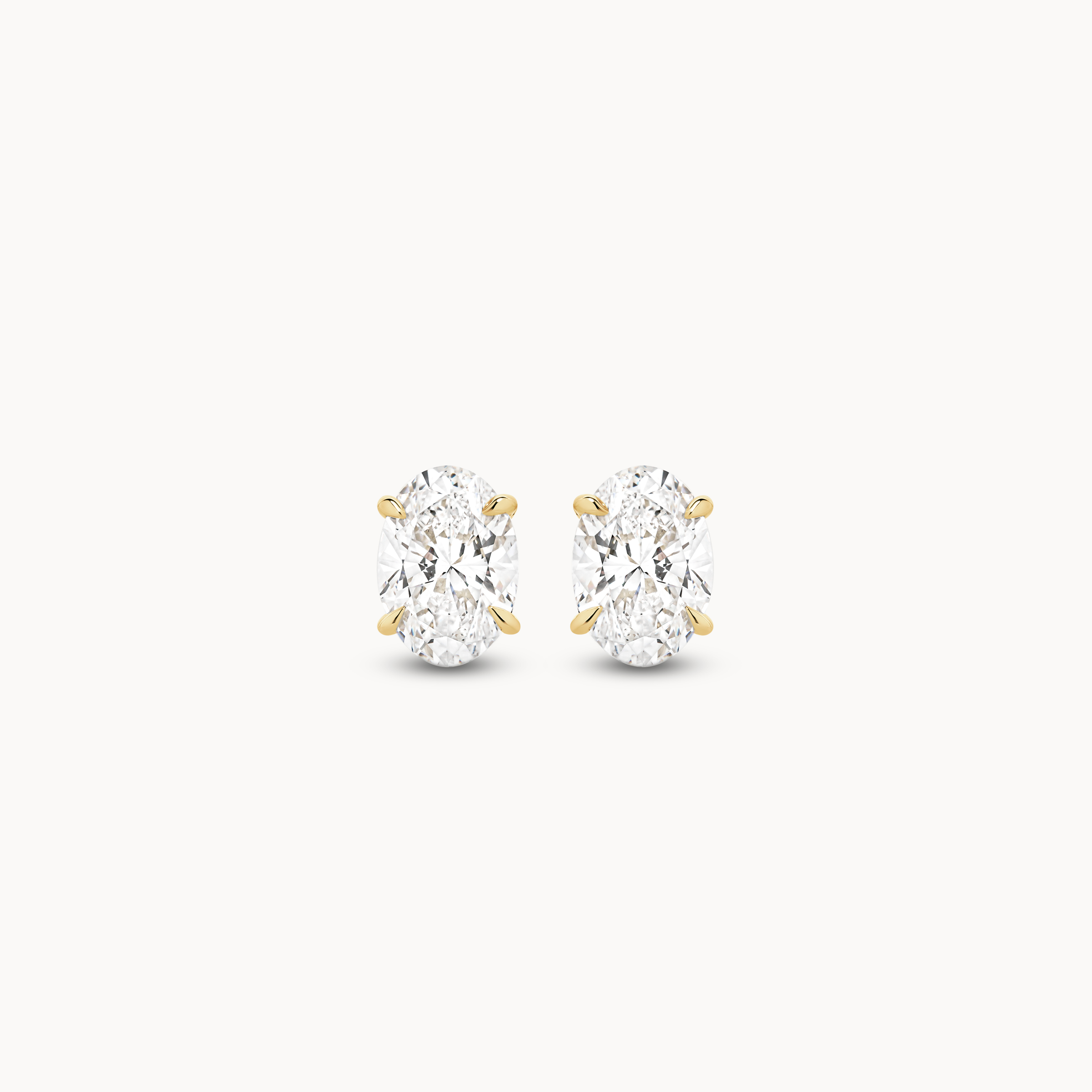
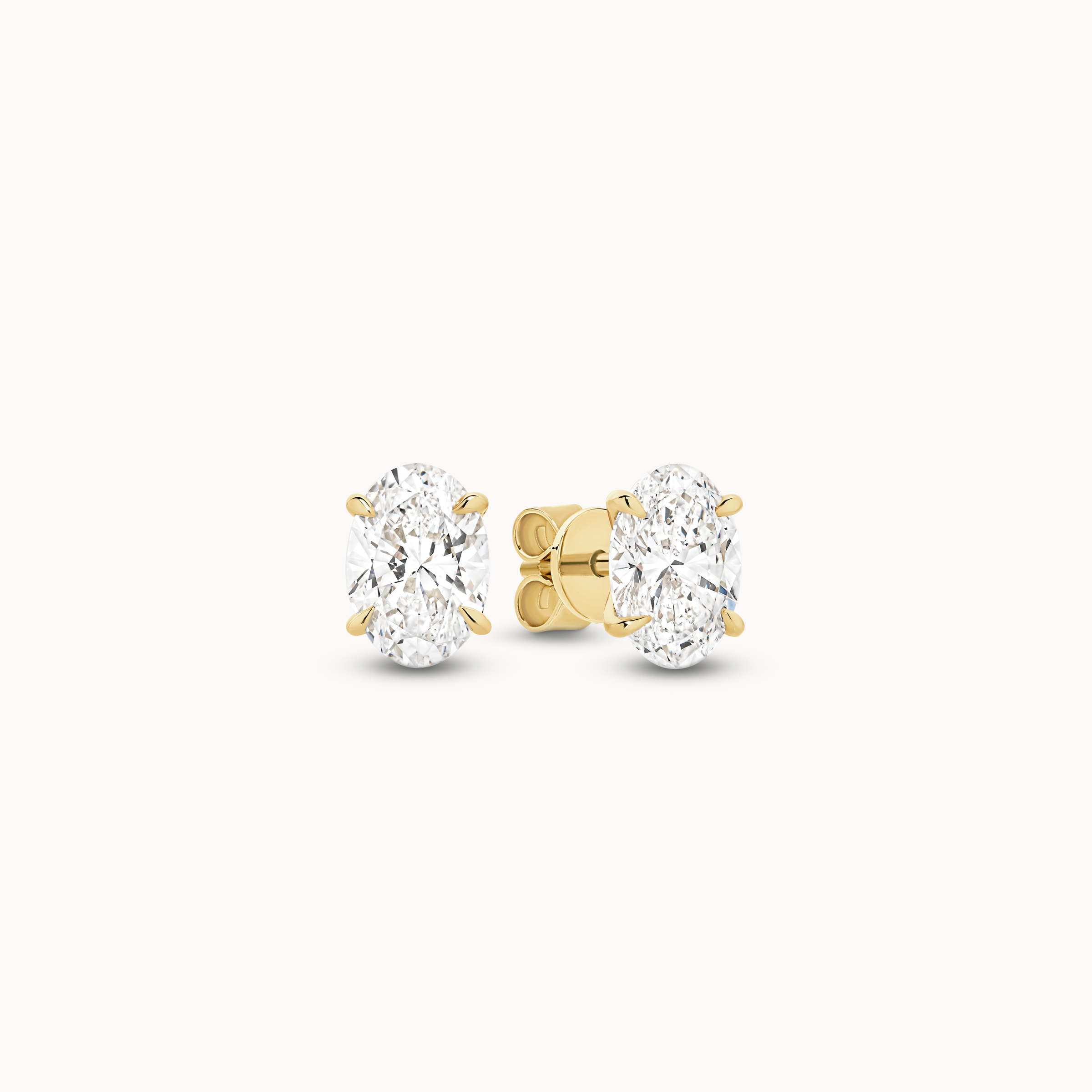
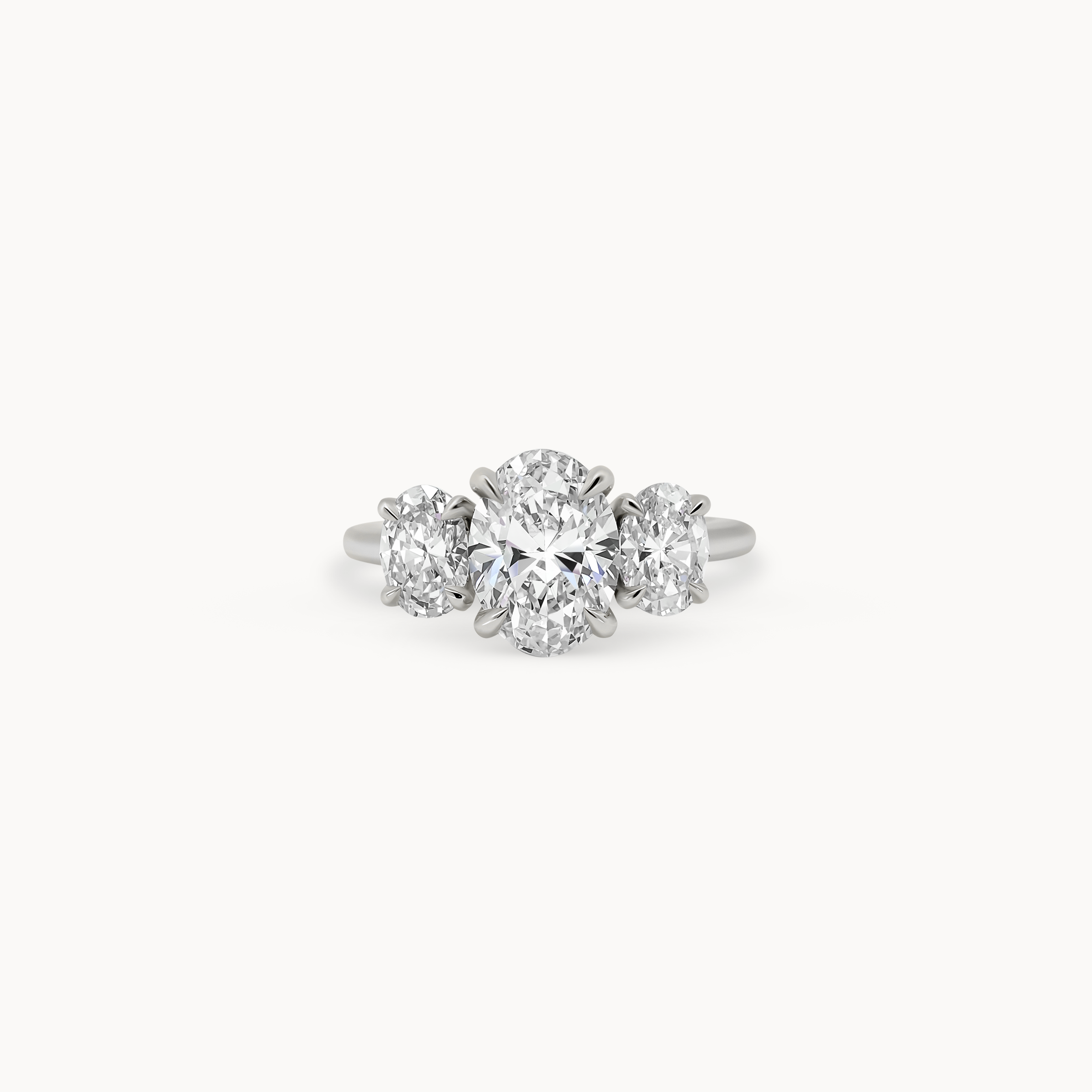
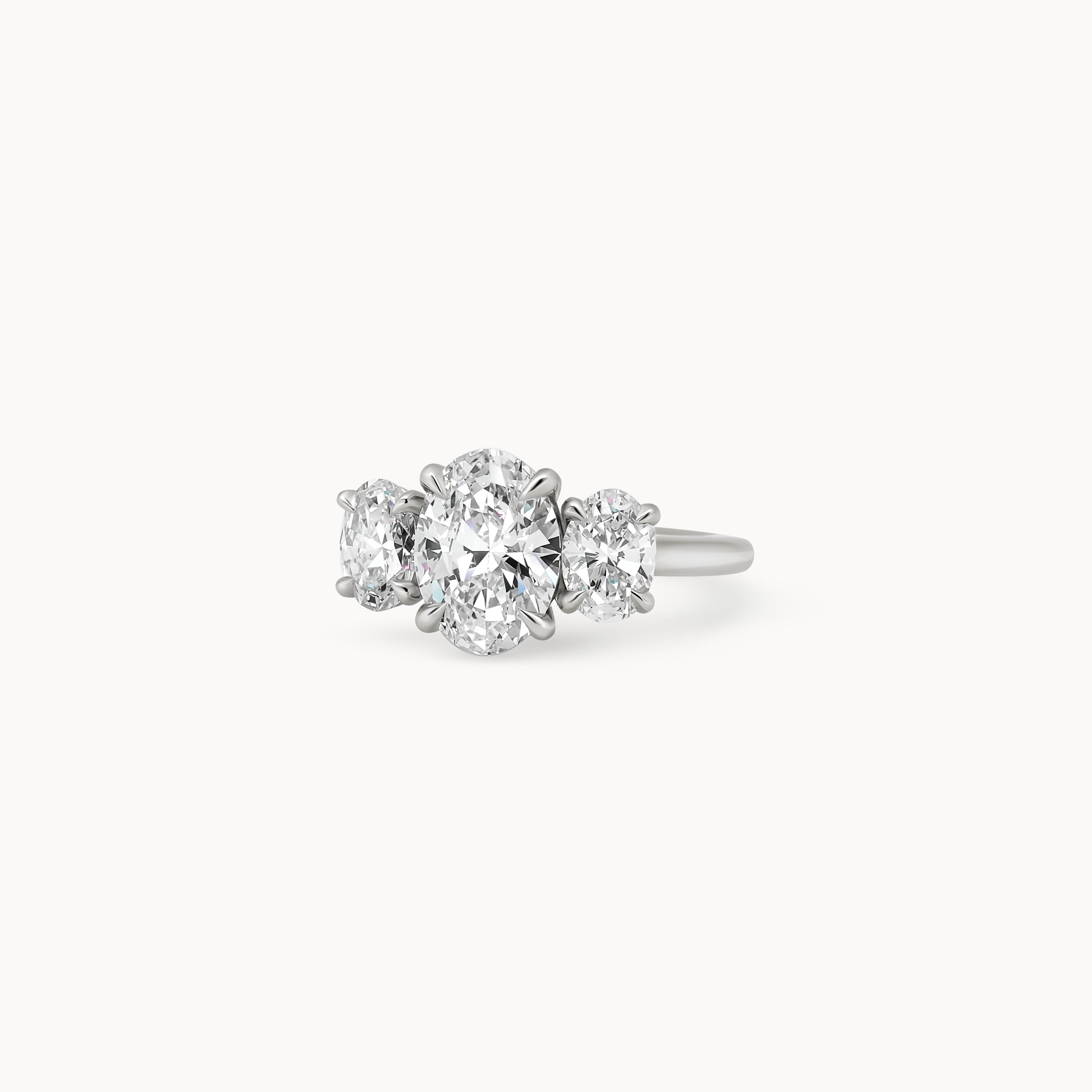
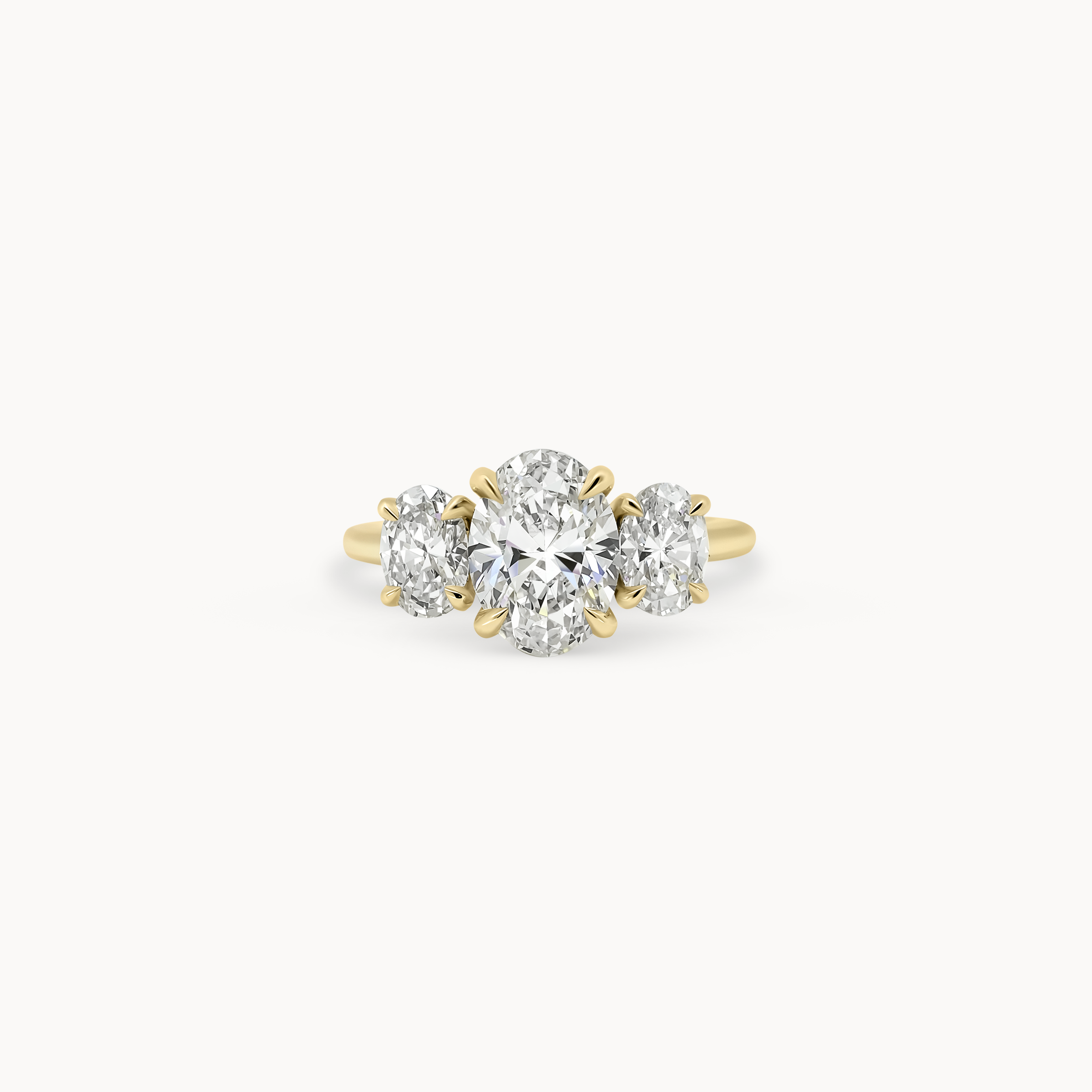
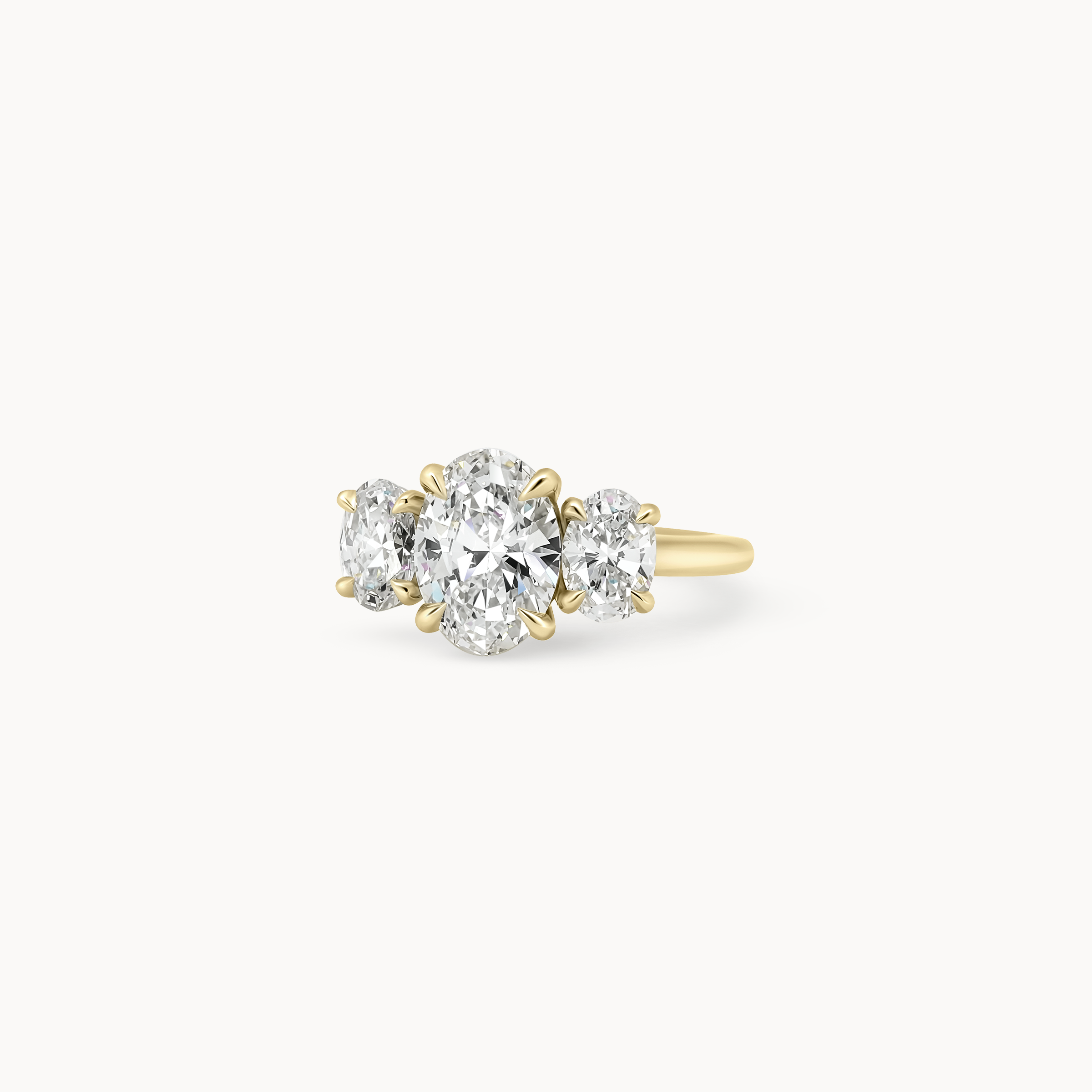
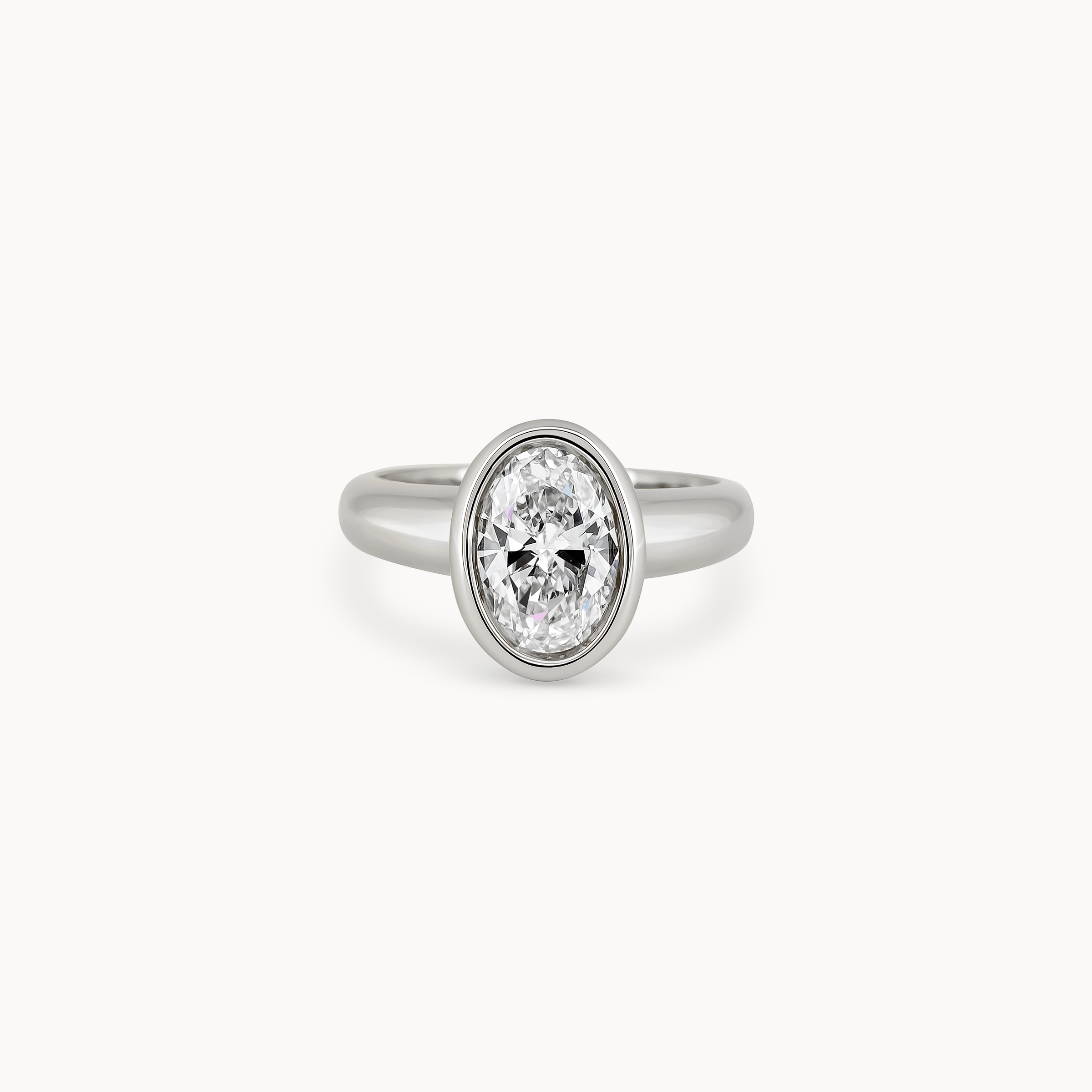
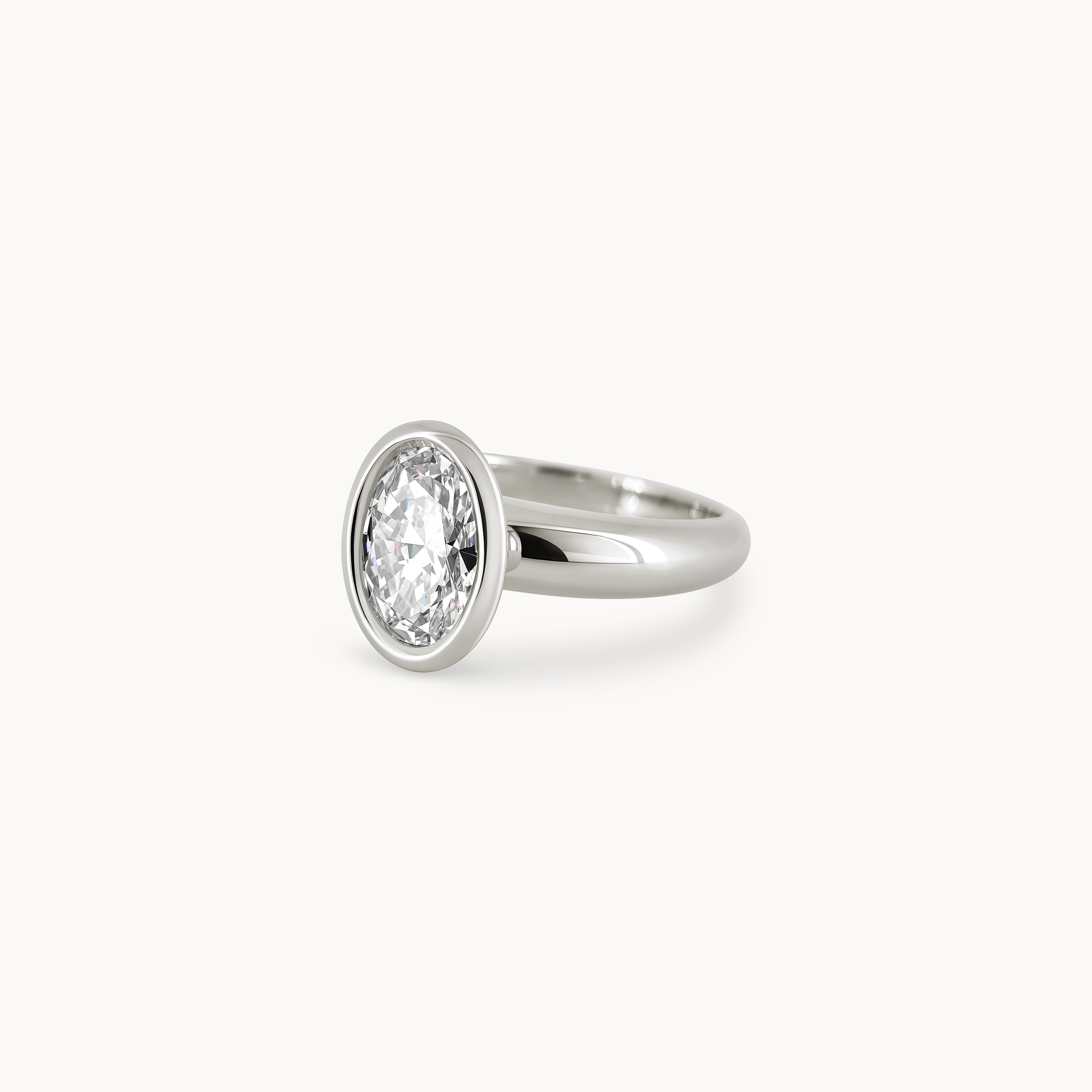
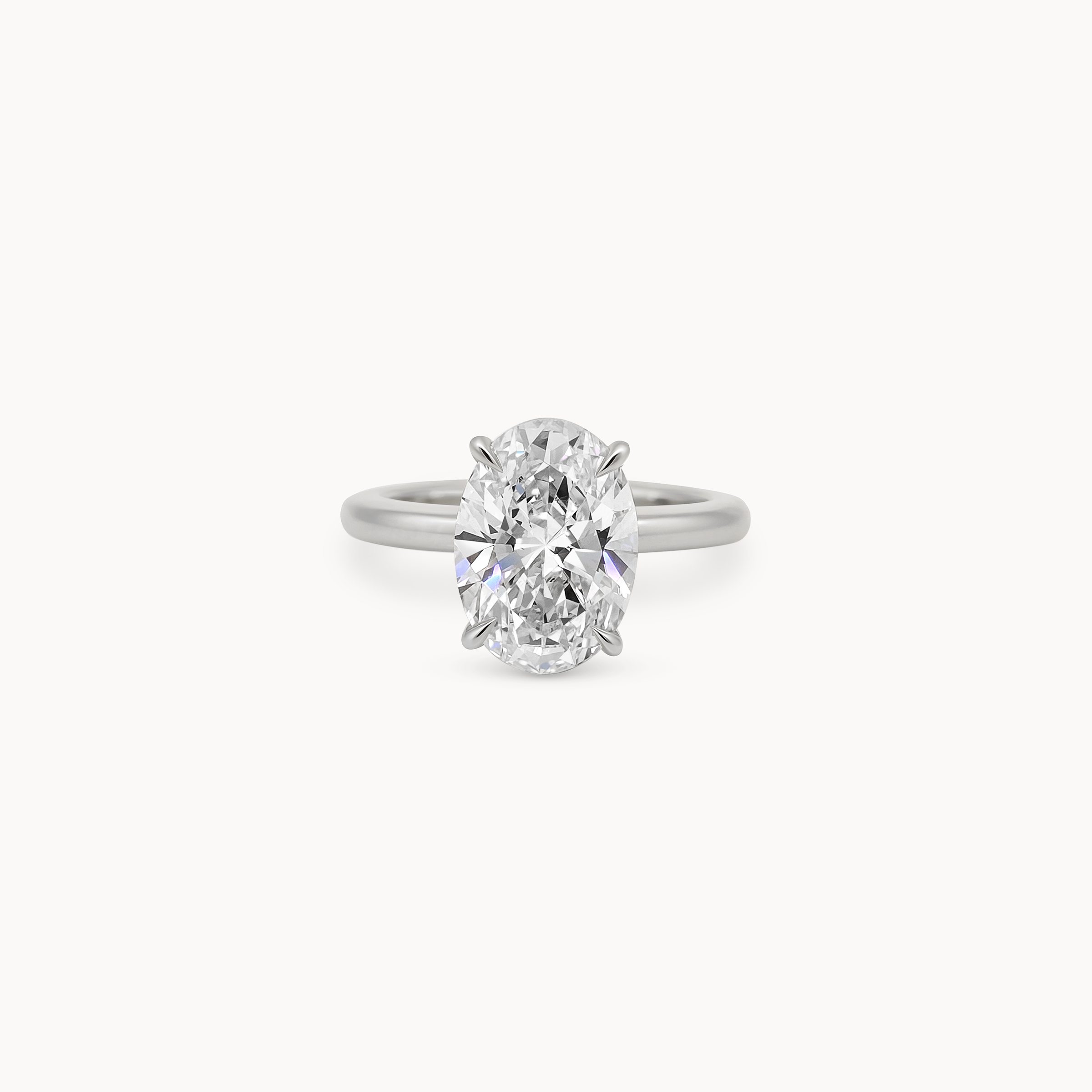
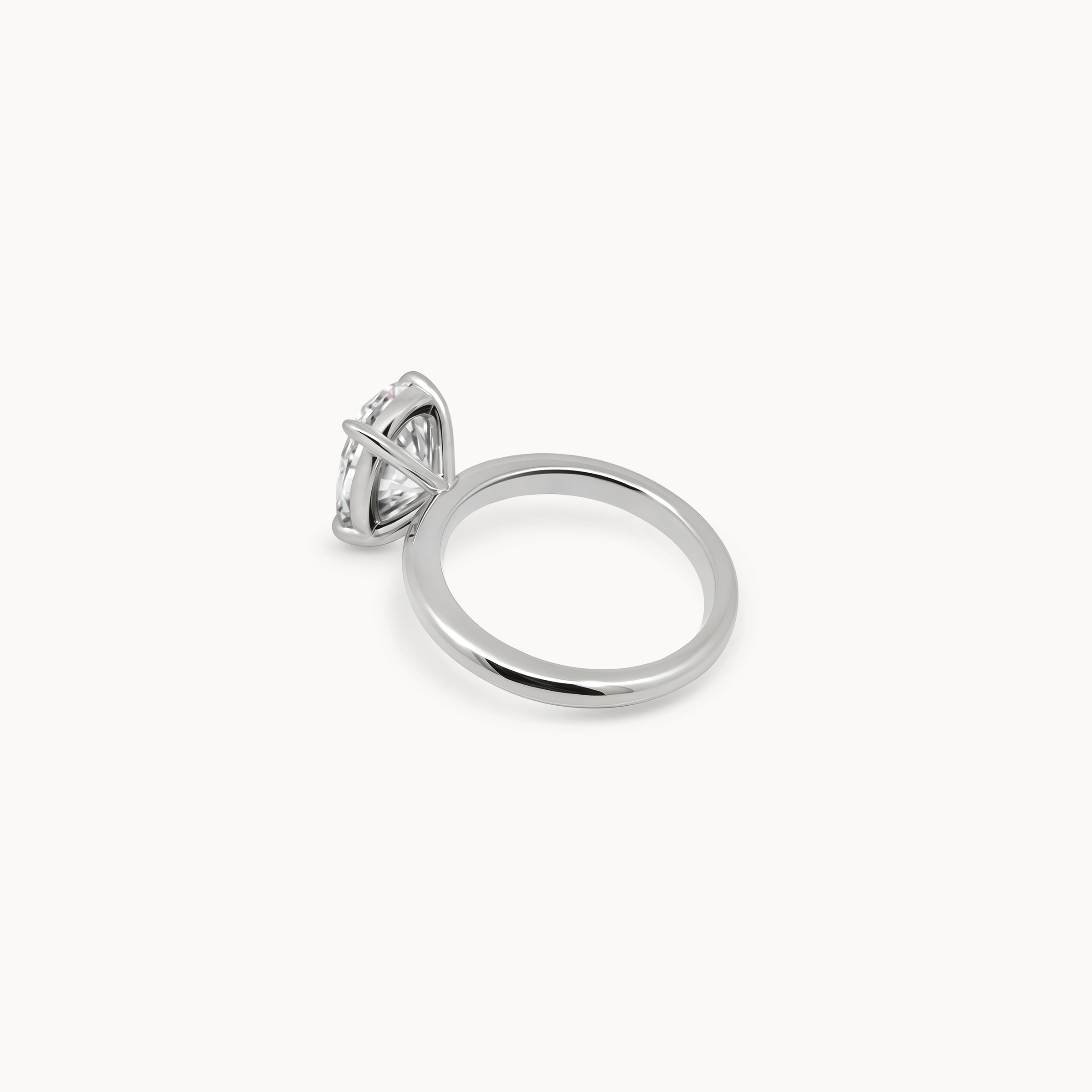
An elongated brilliant cut with excellent spread across the finger. It offers plenty of presence while feeling softer and more directional than a round.
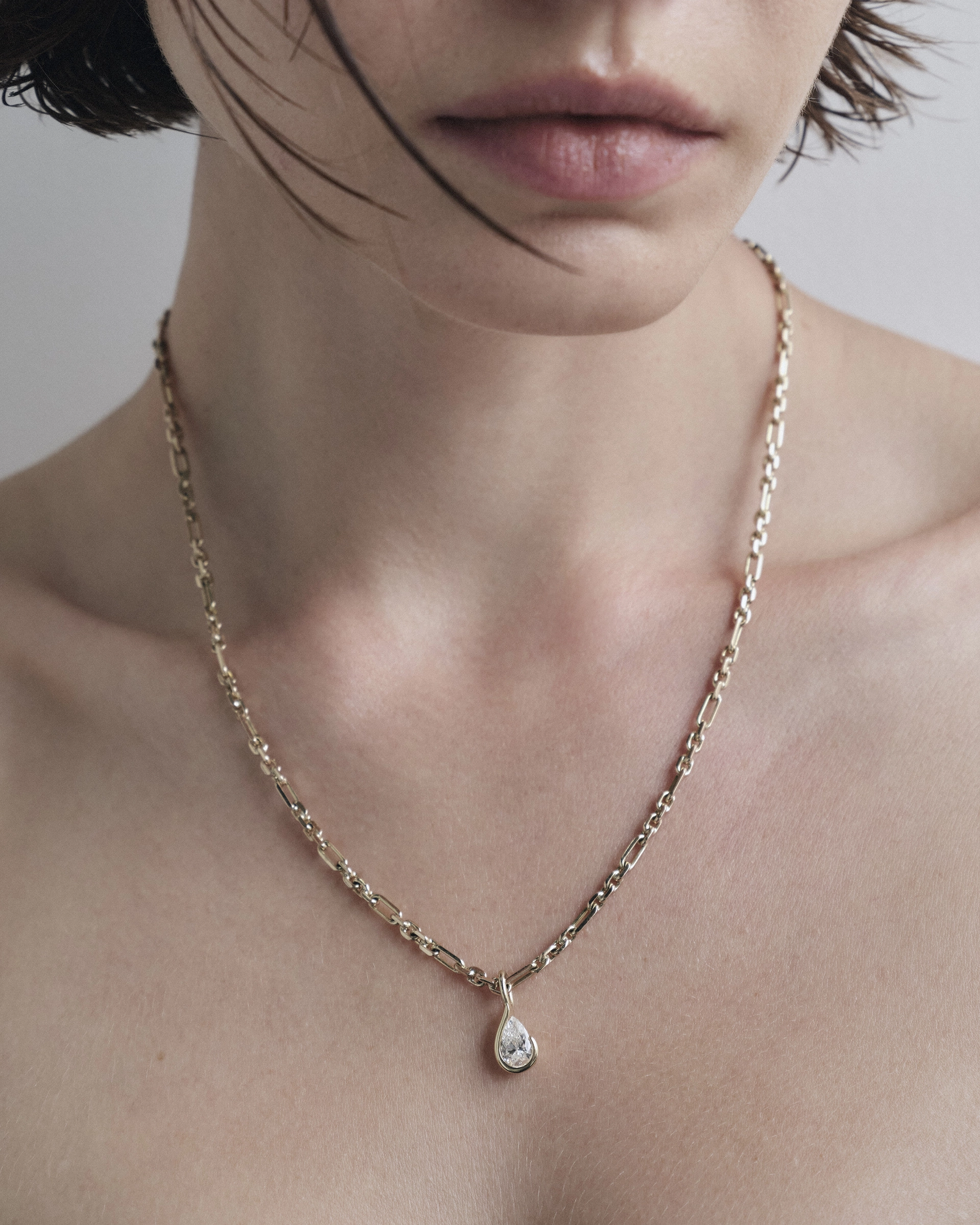
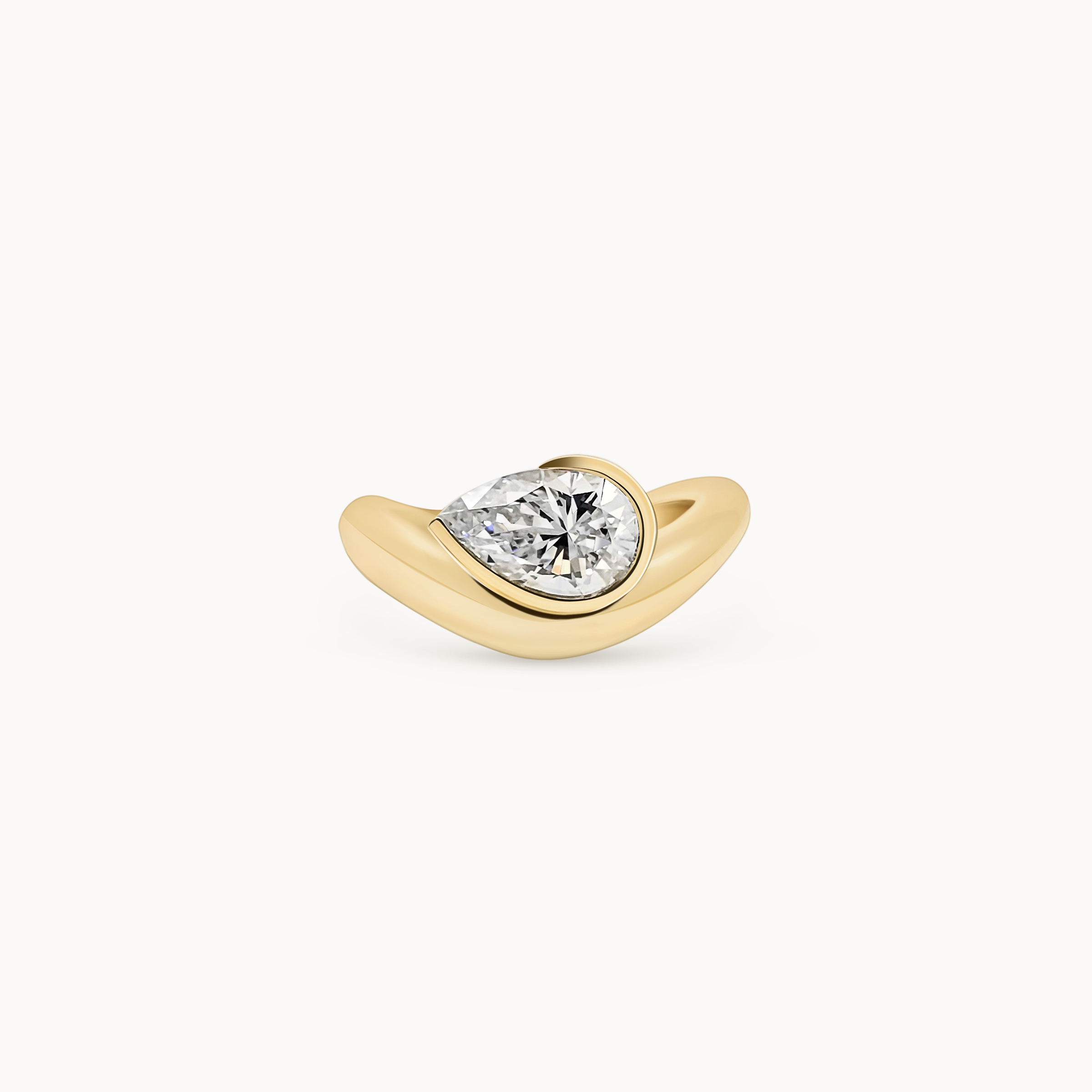
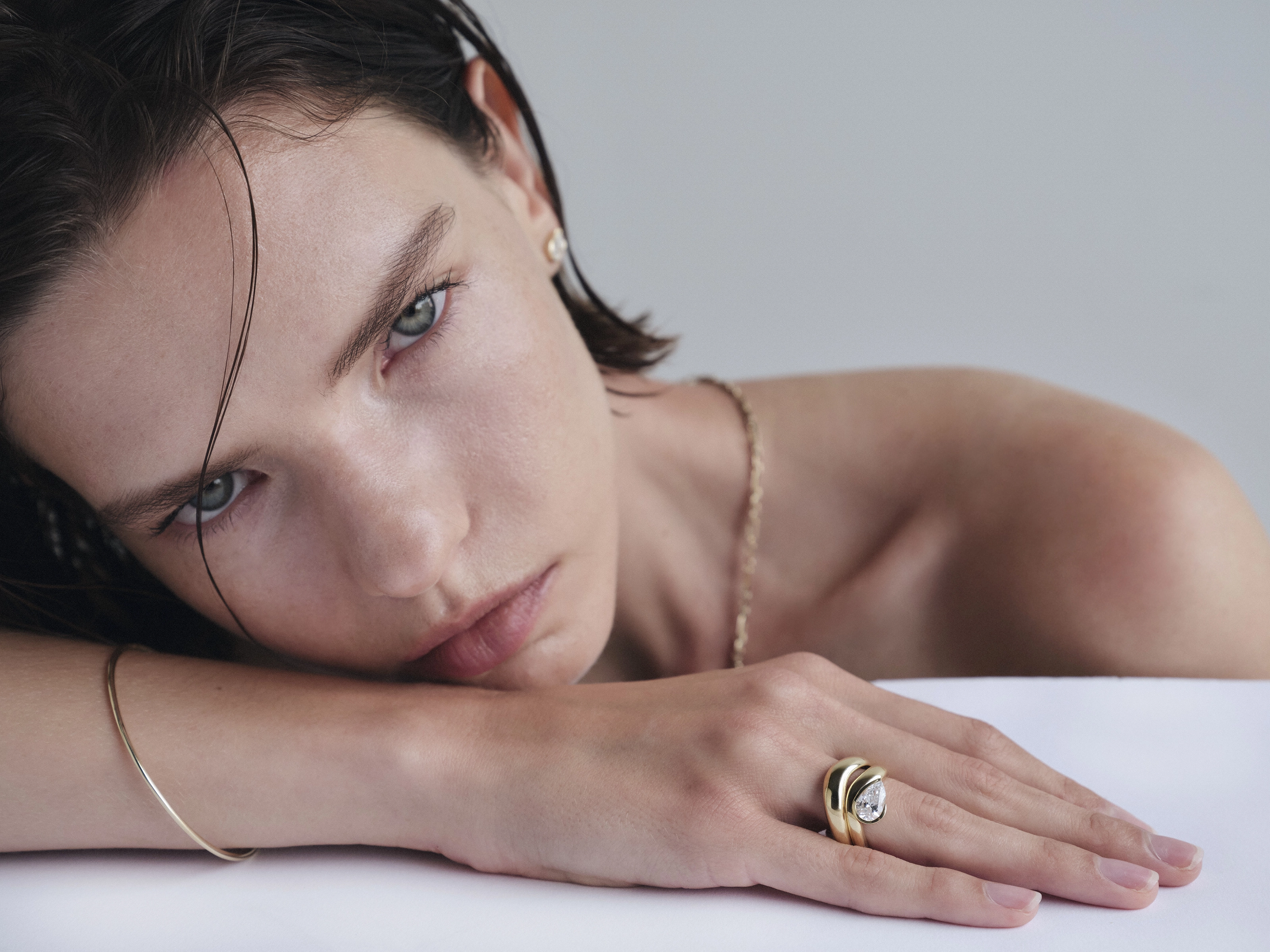
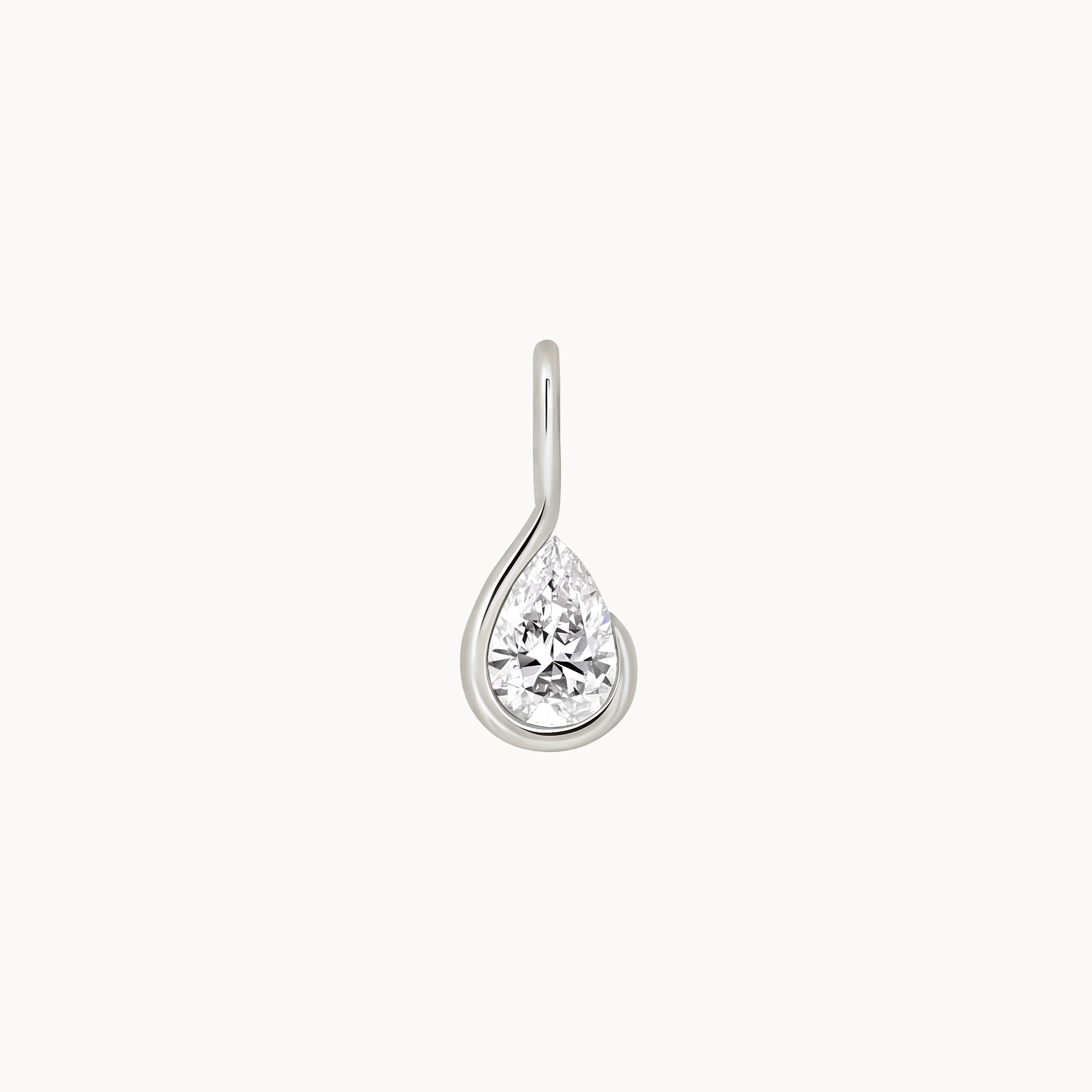
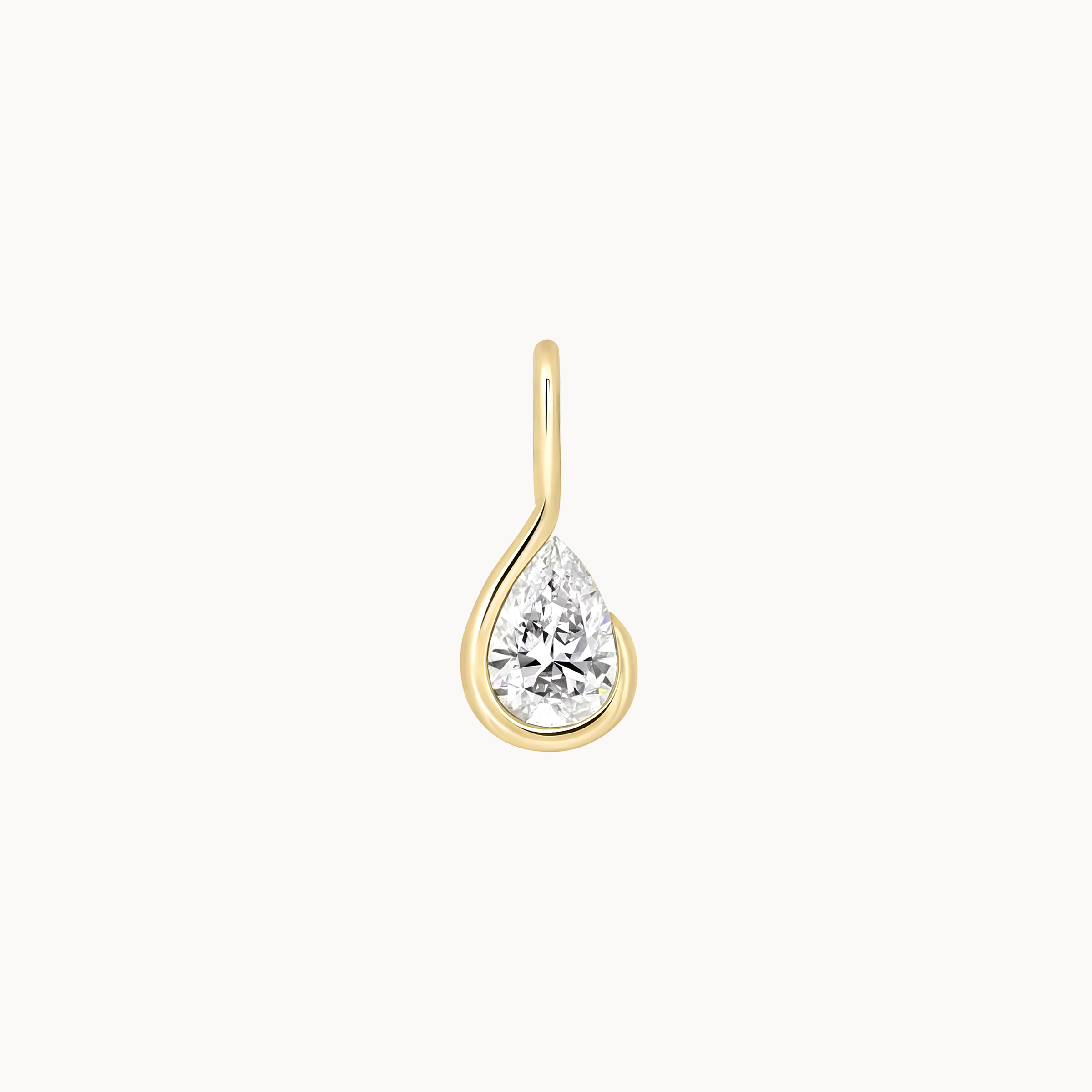
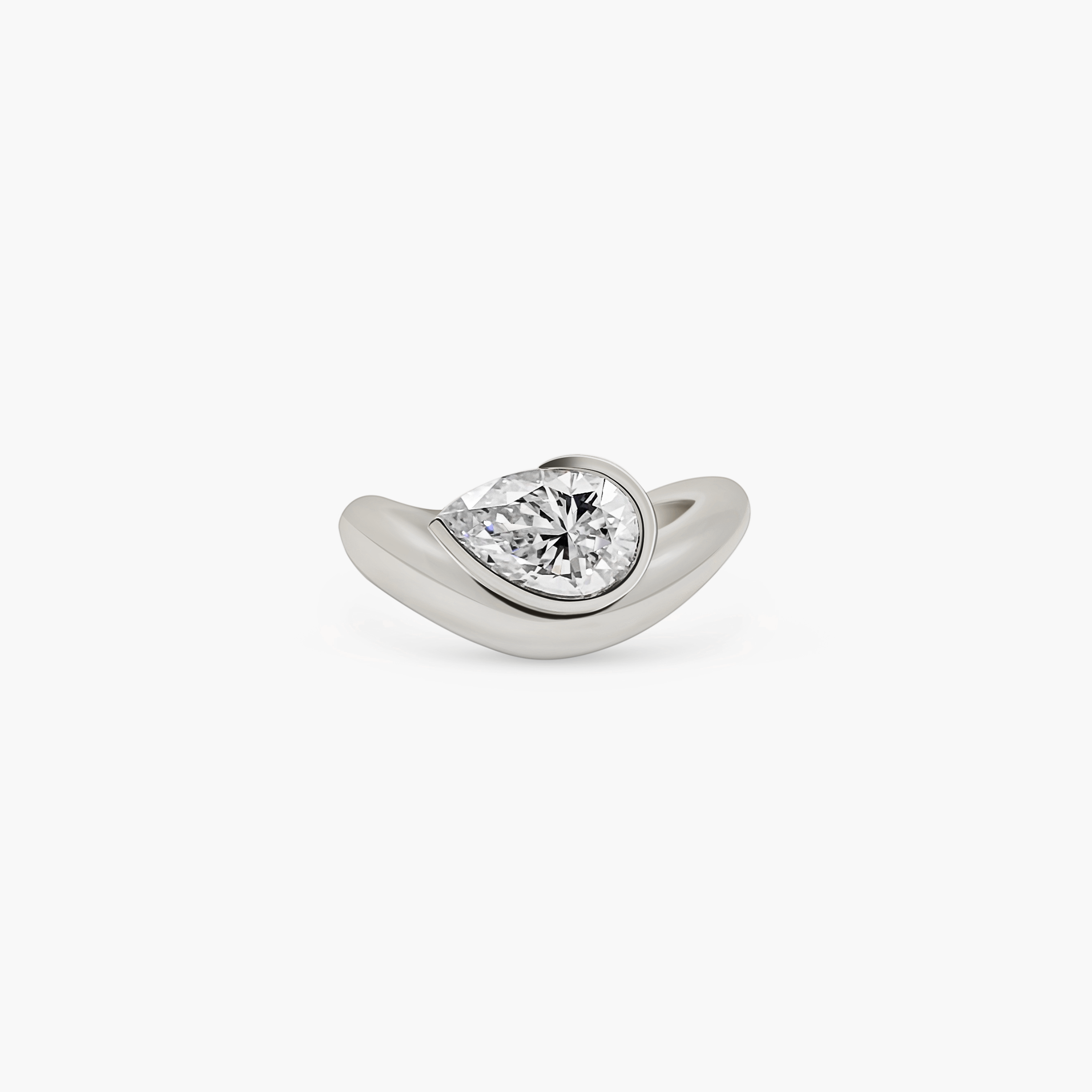
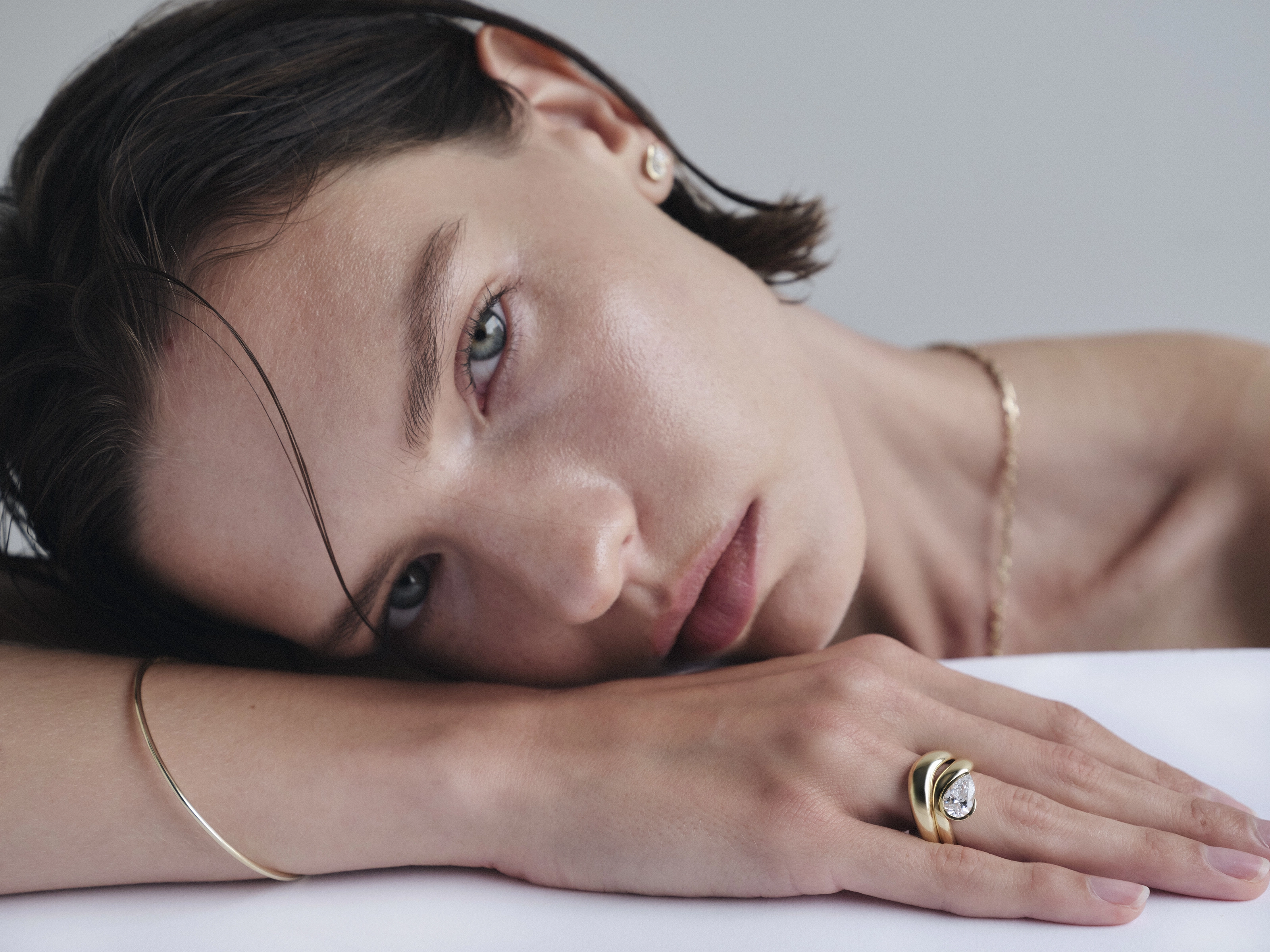
Pear
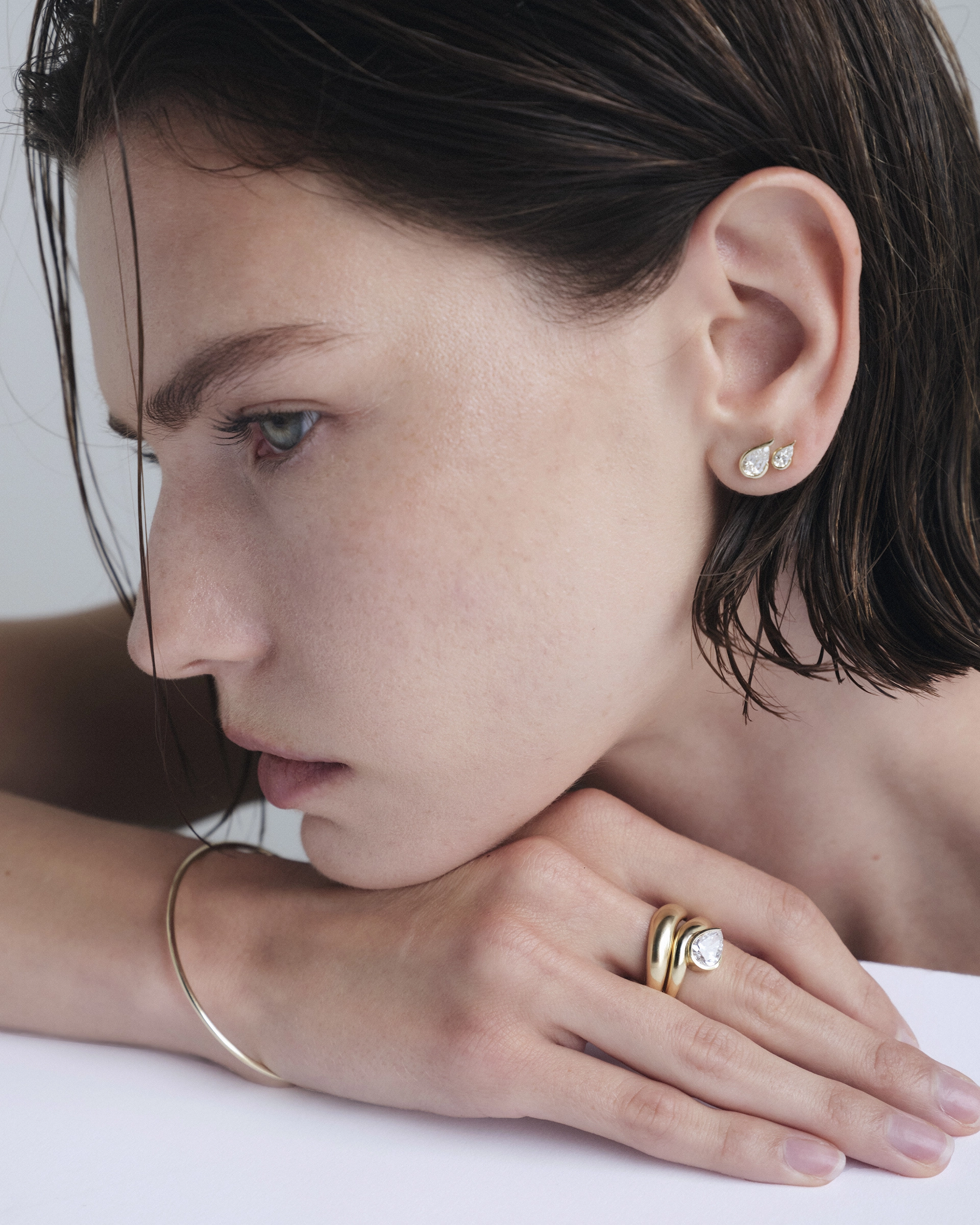
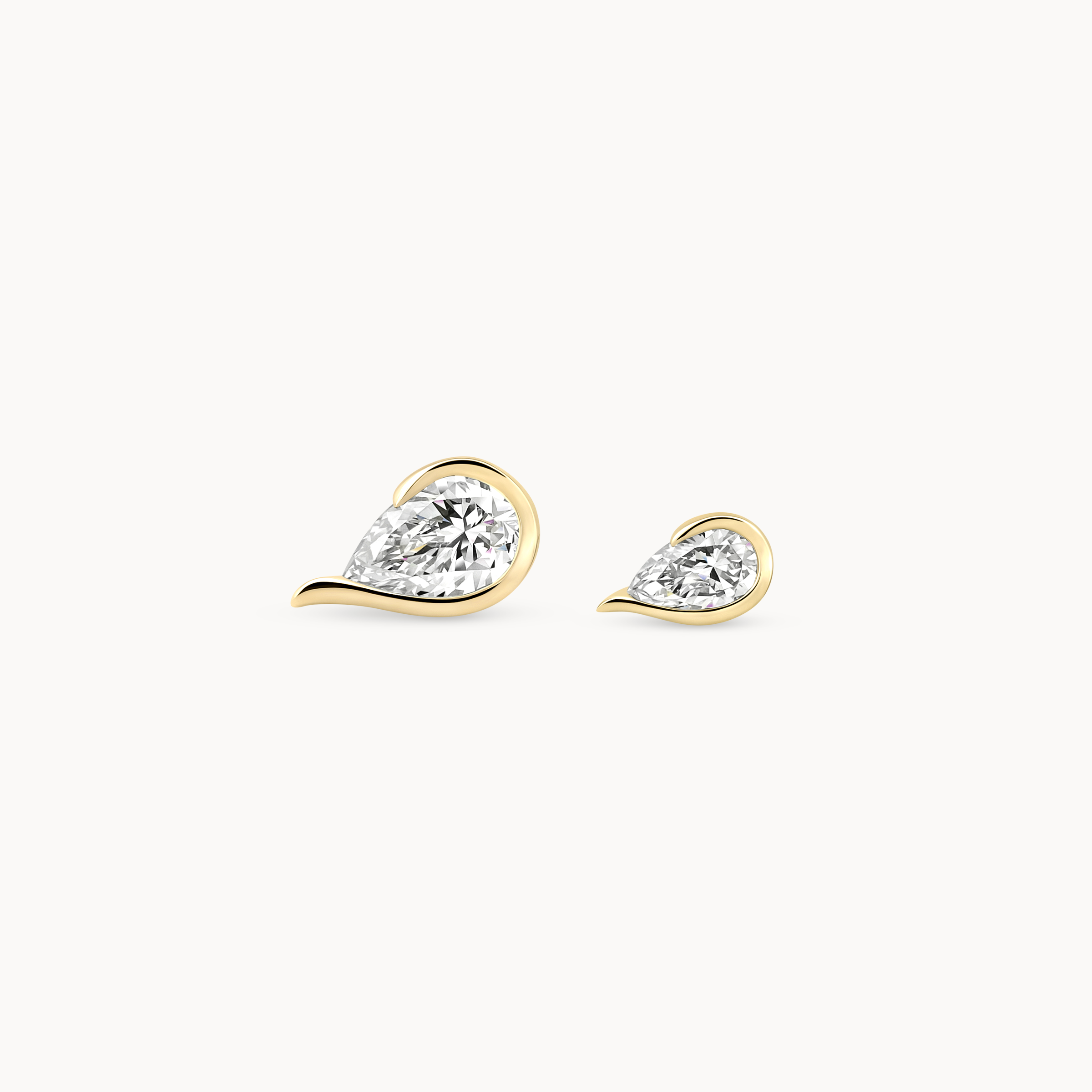
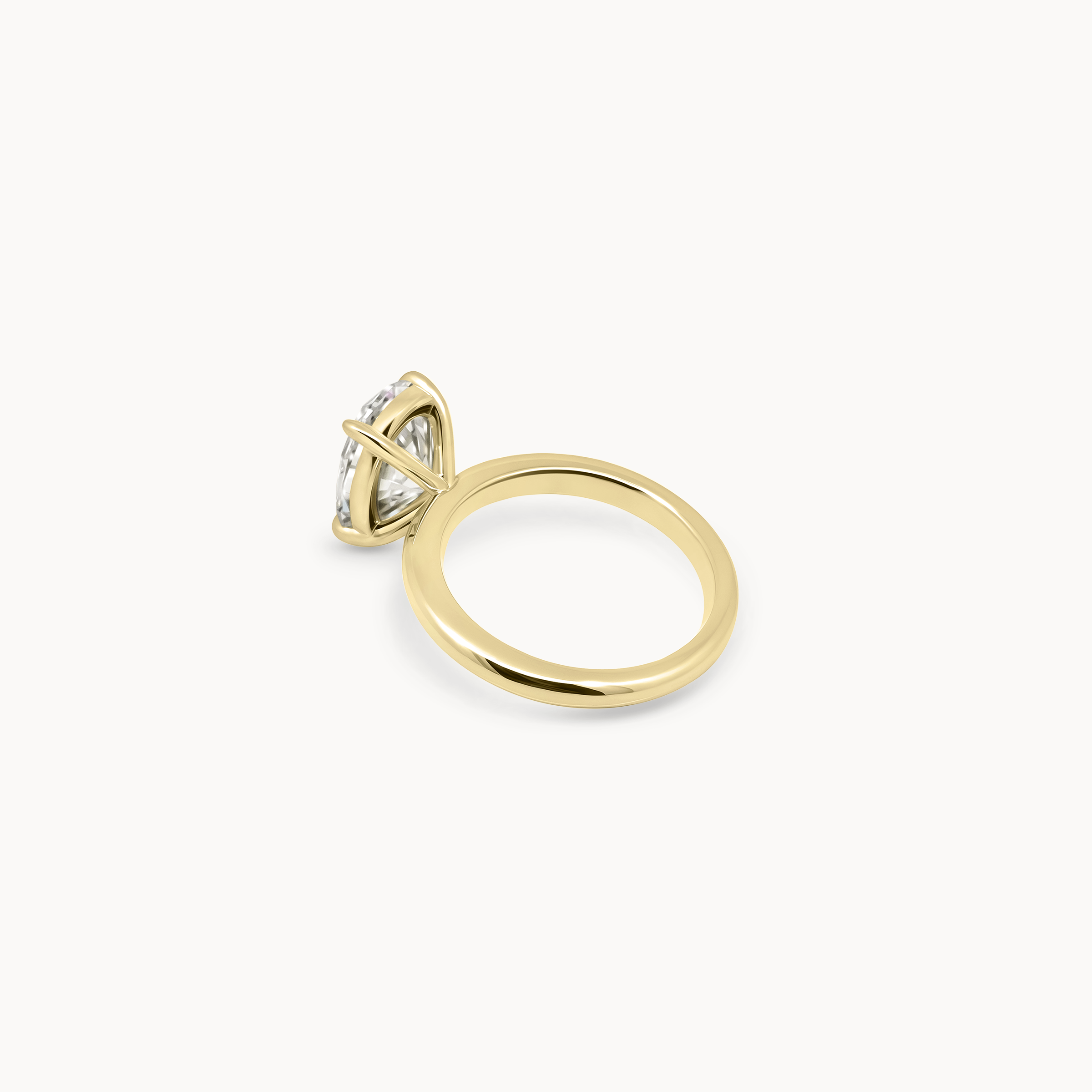
Part soft curve, part tapered point. Pears have a natural sense of movement and can feel delicate, sculptural or slightly unconventional depending on how they’re set. Their elongated shape also gives them a strong presence on the hand, often making them appear larger for their carat weight.
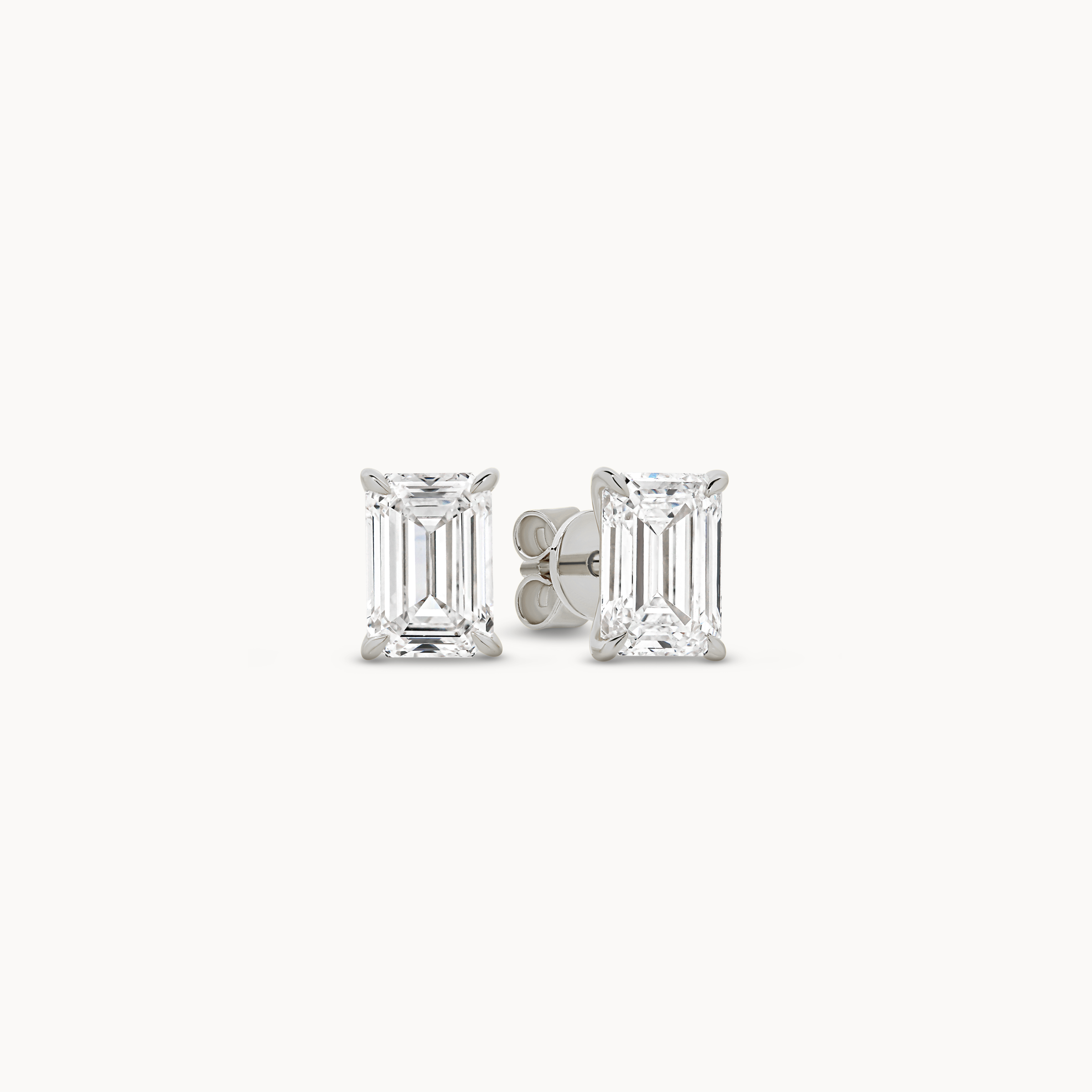
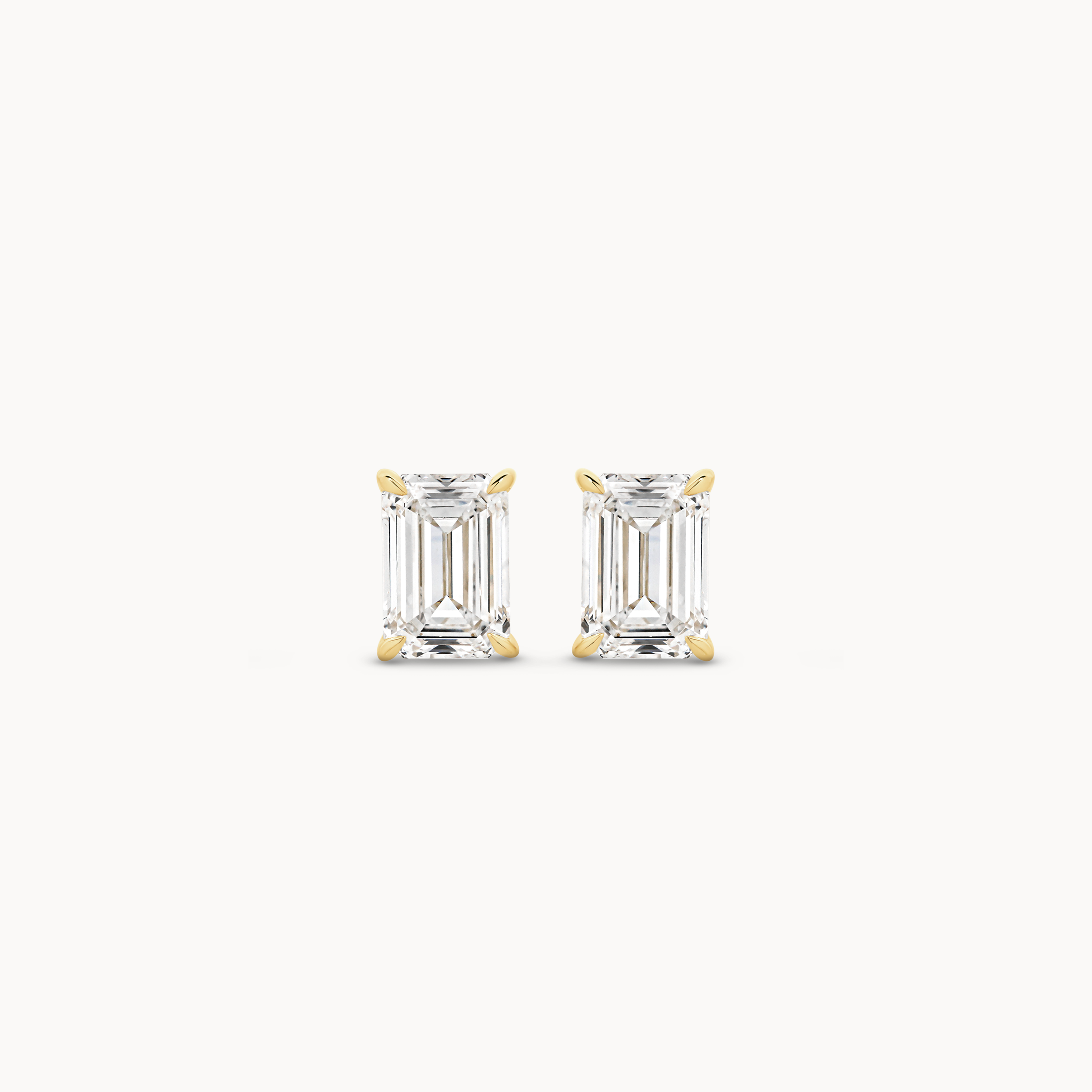
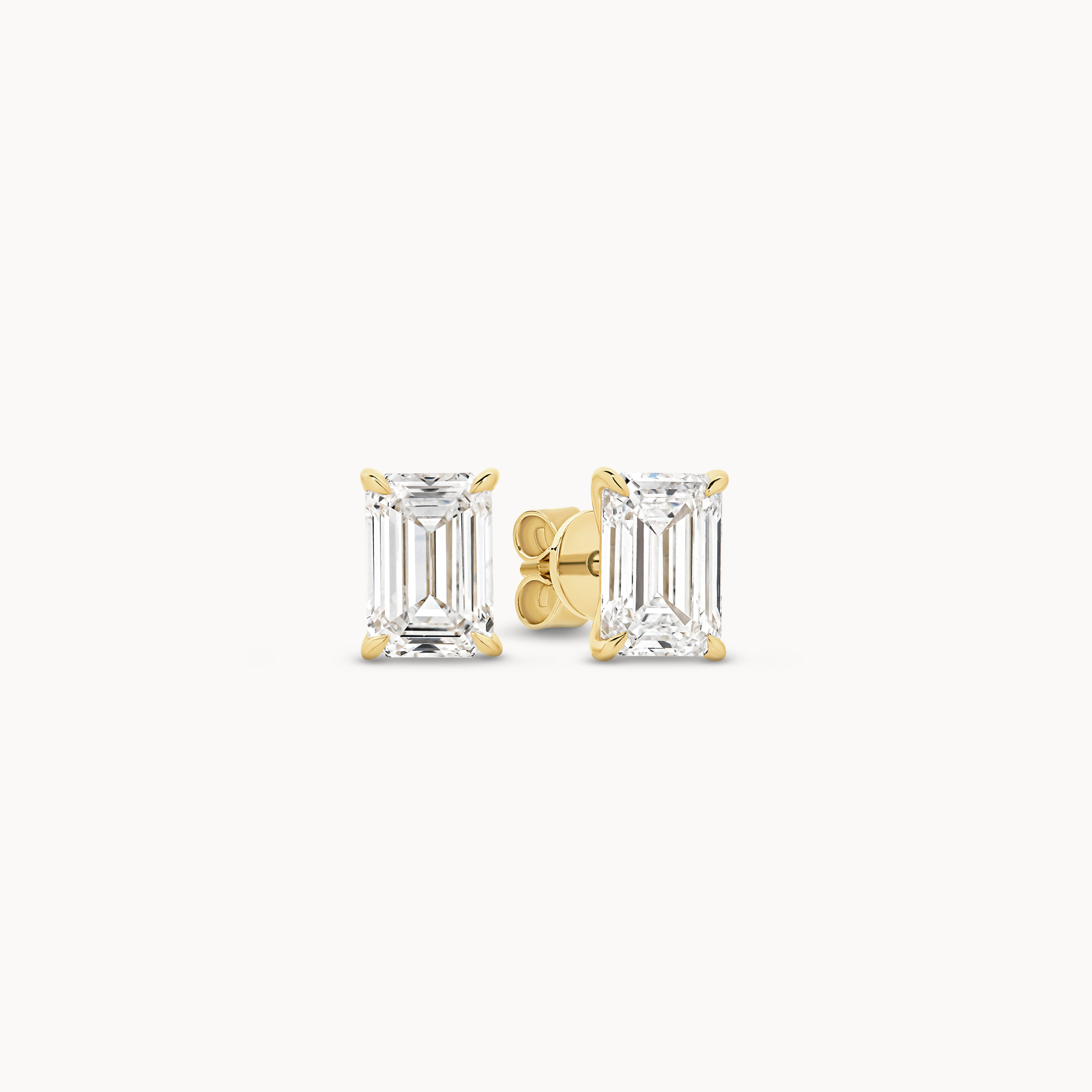
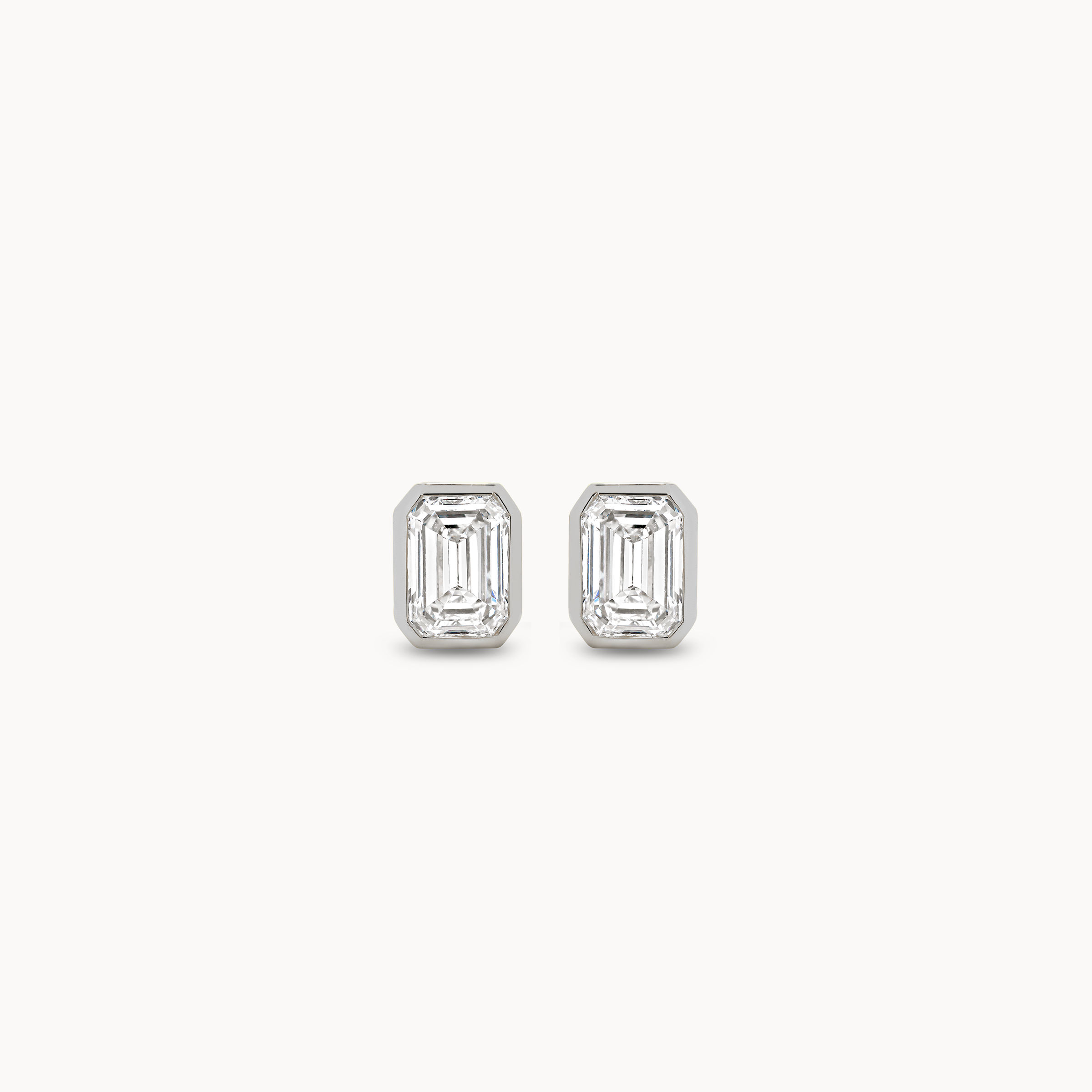
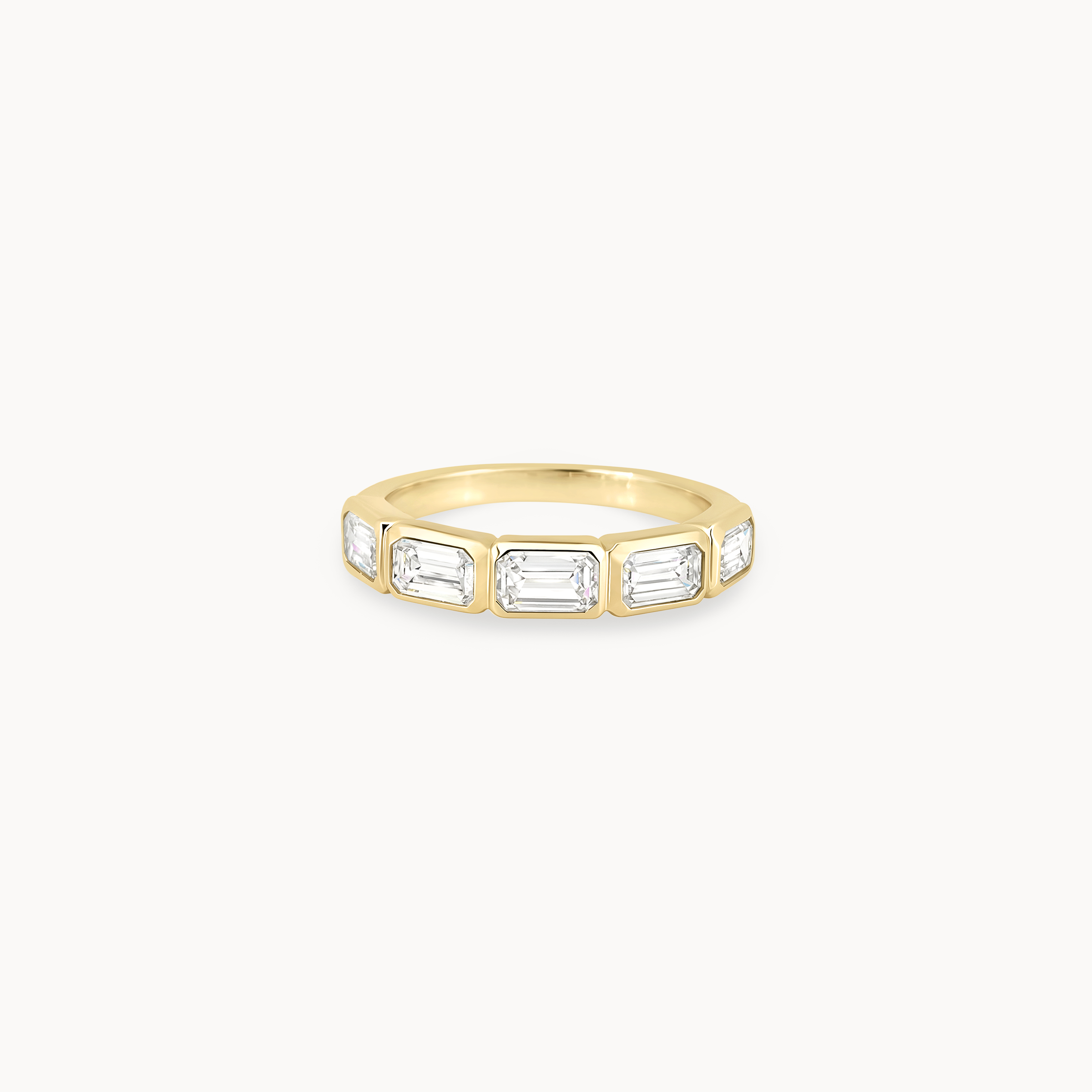
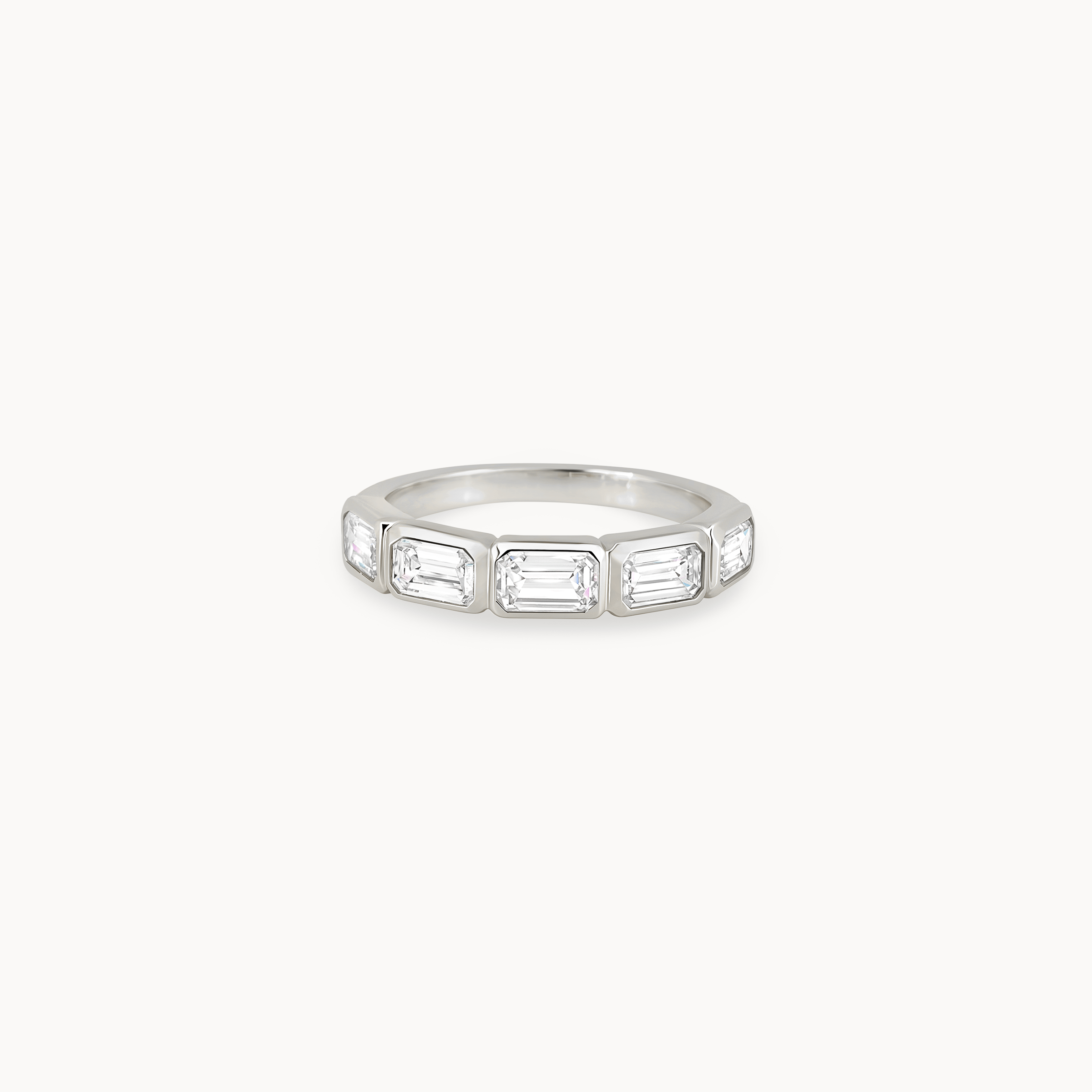
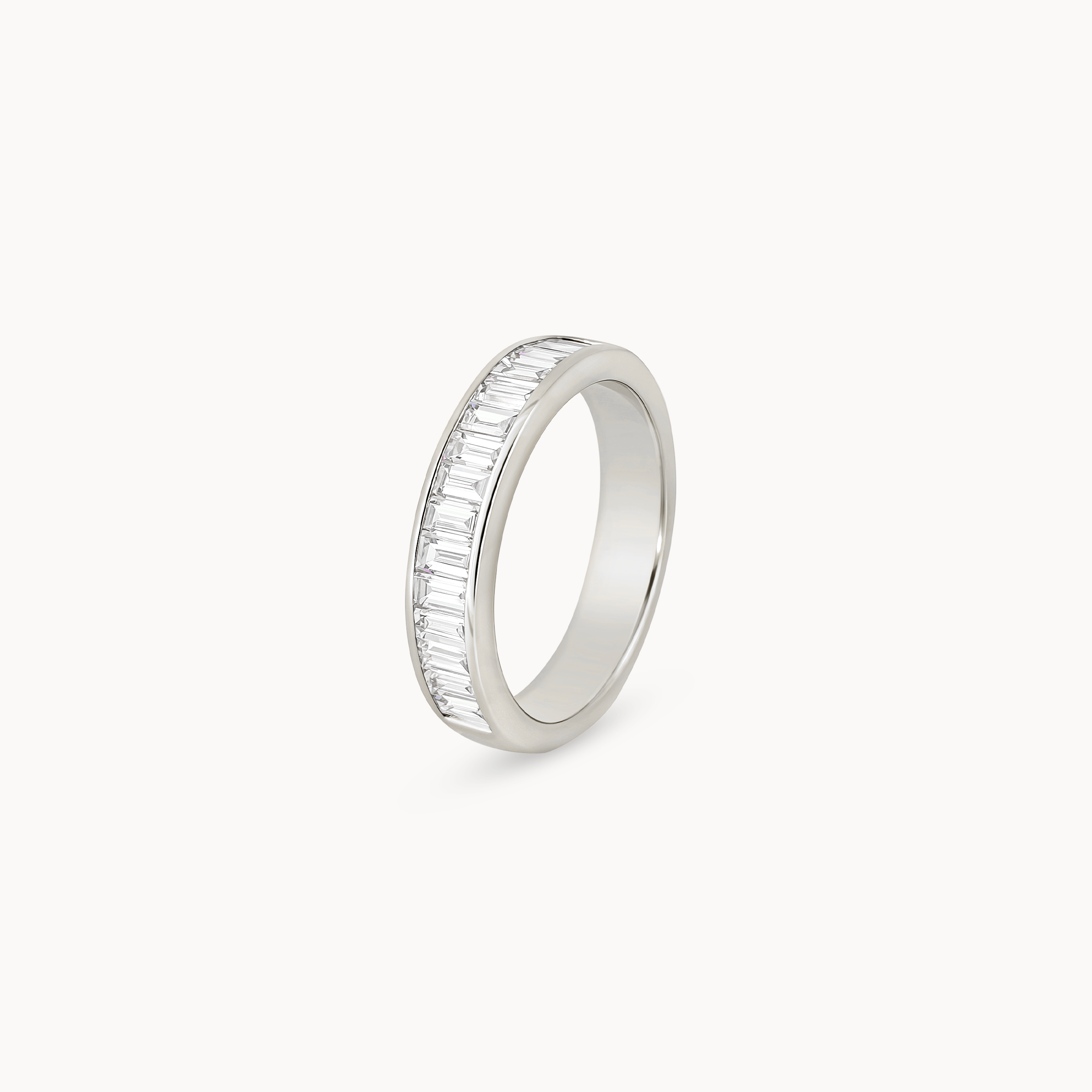
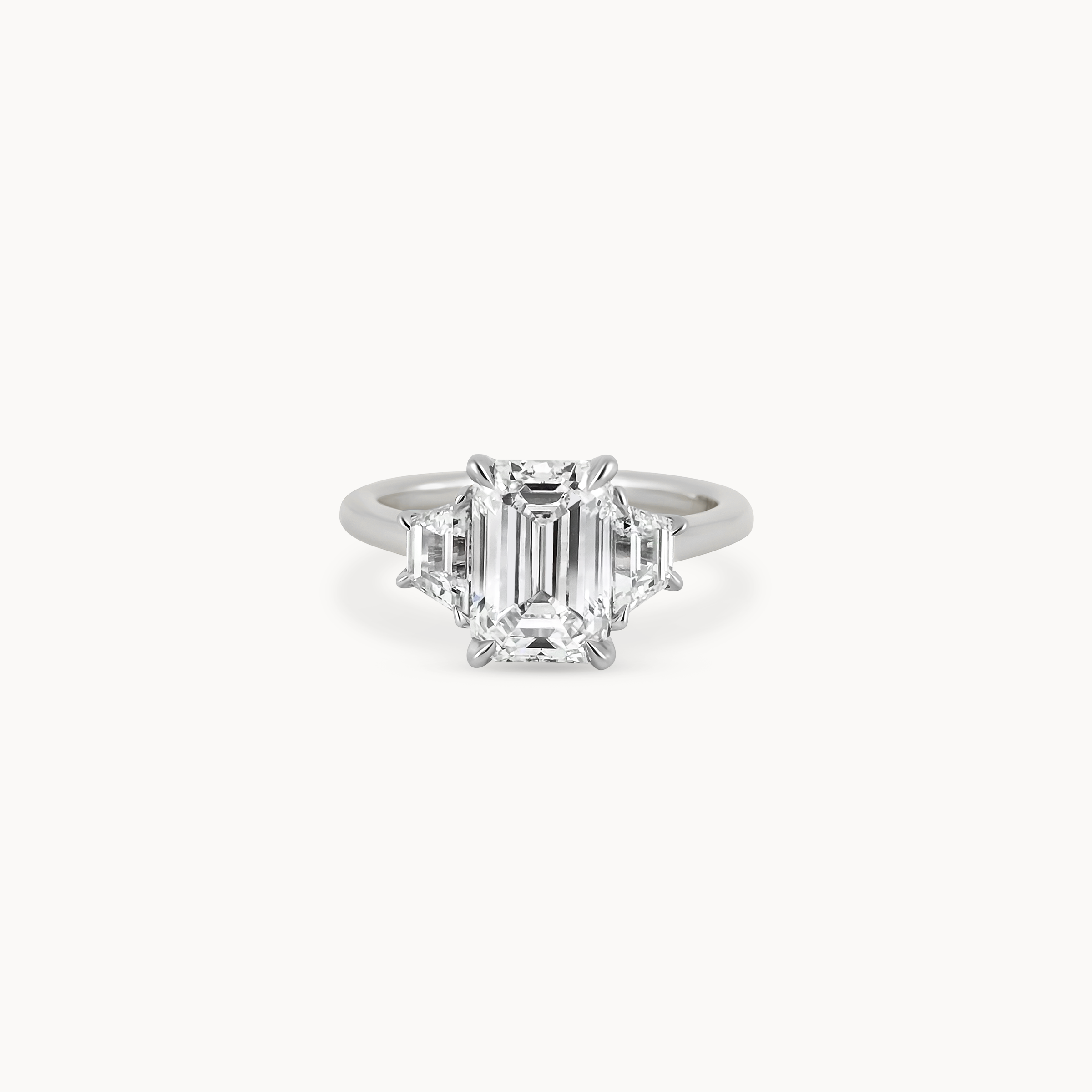
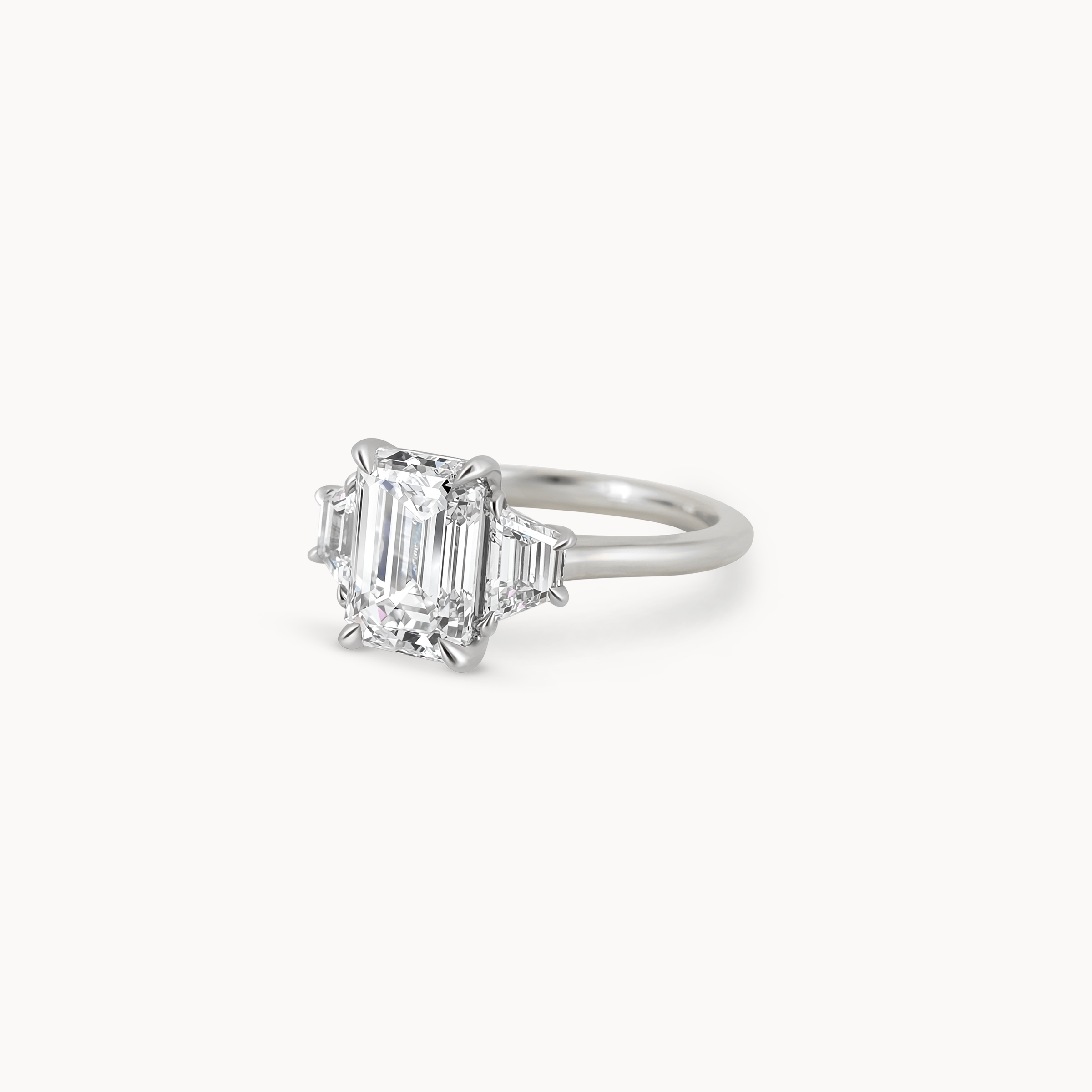
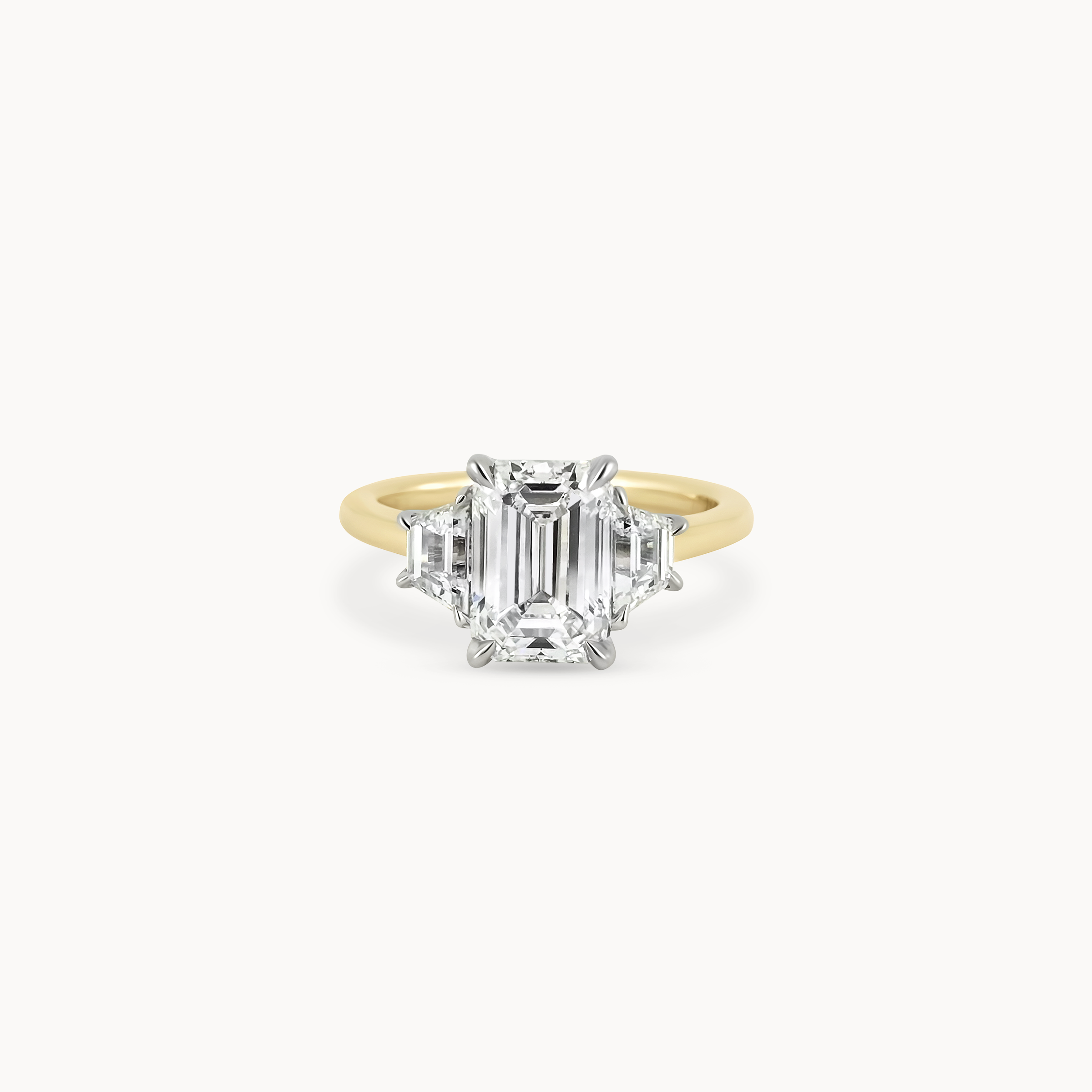
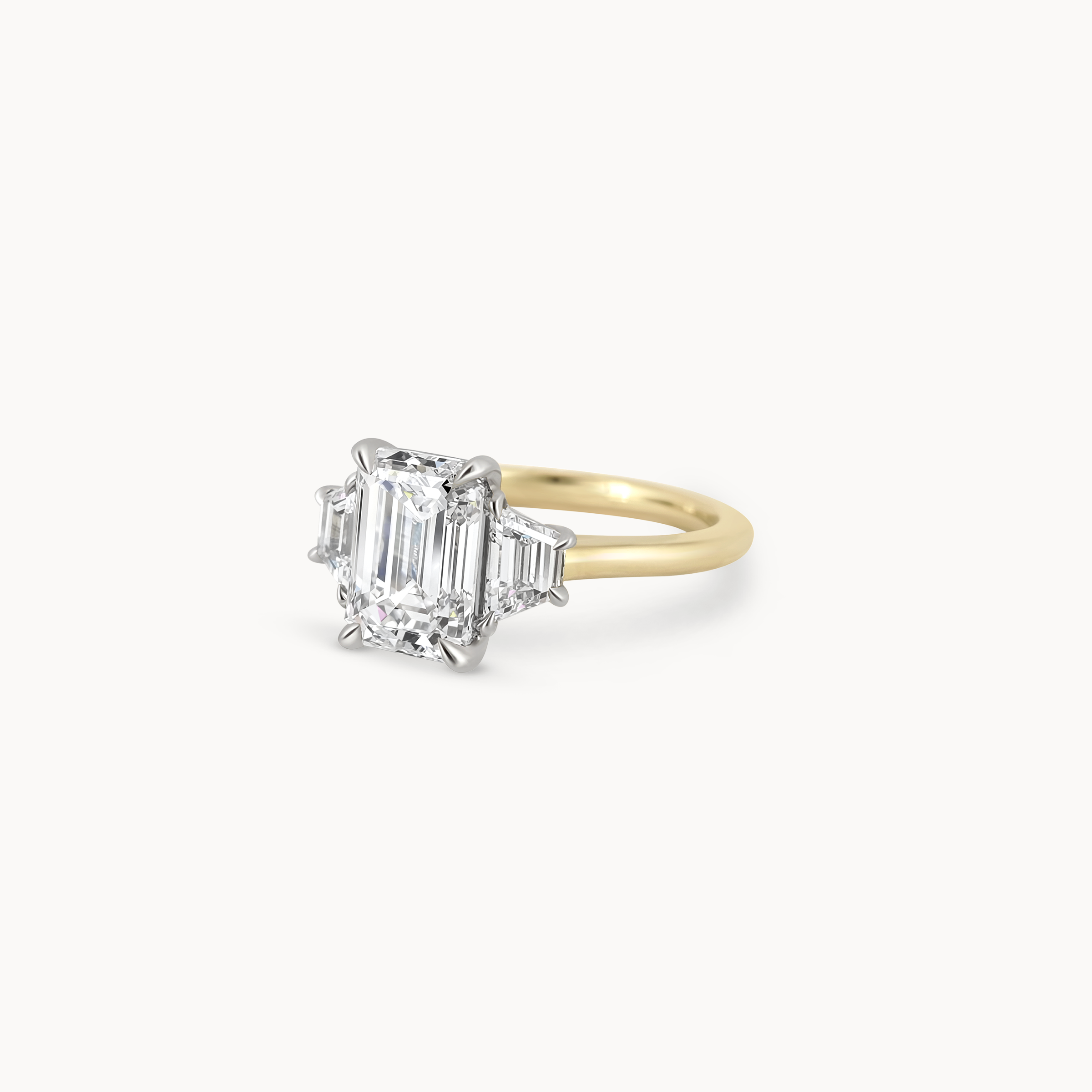
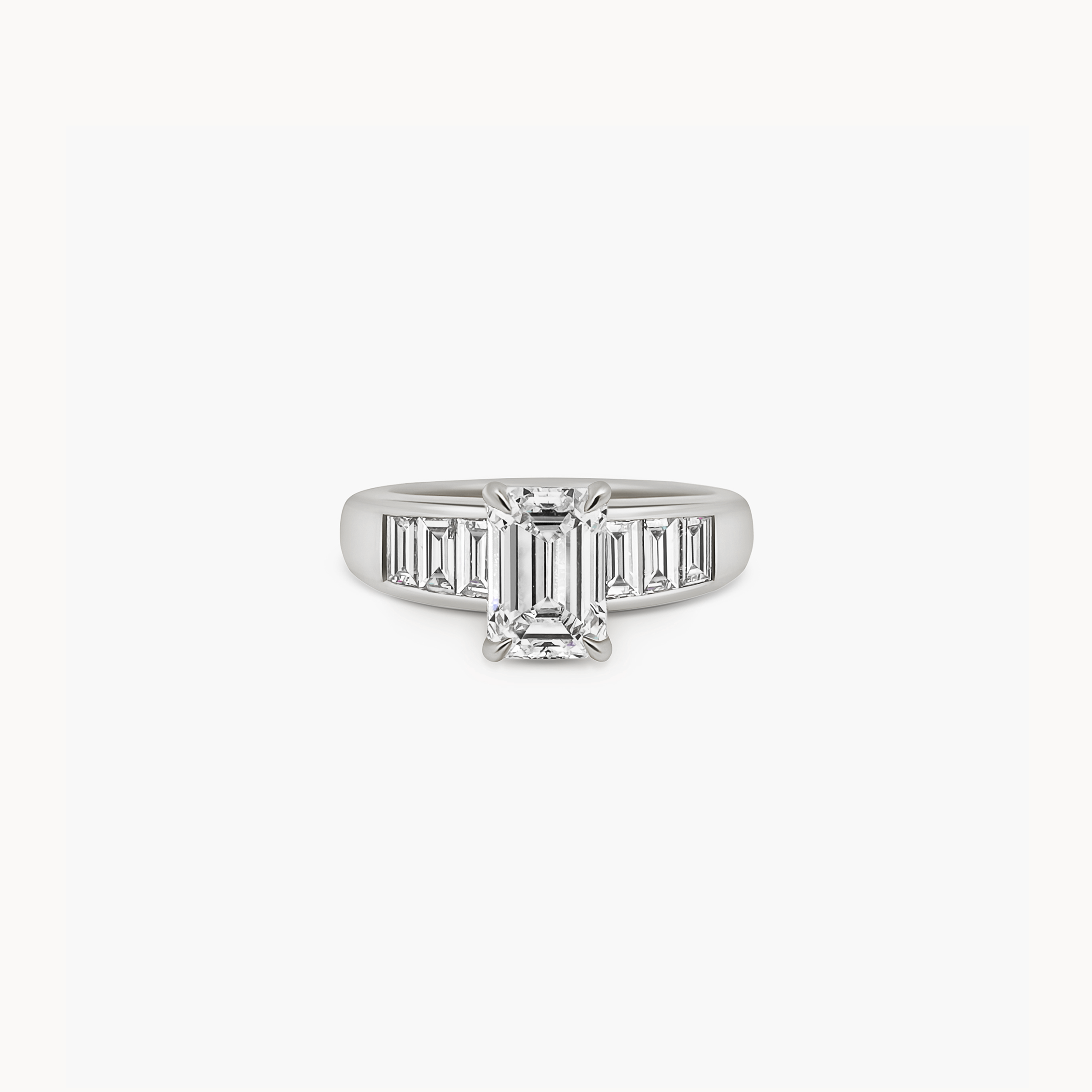
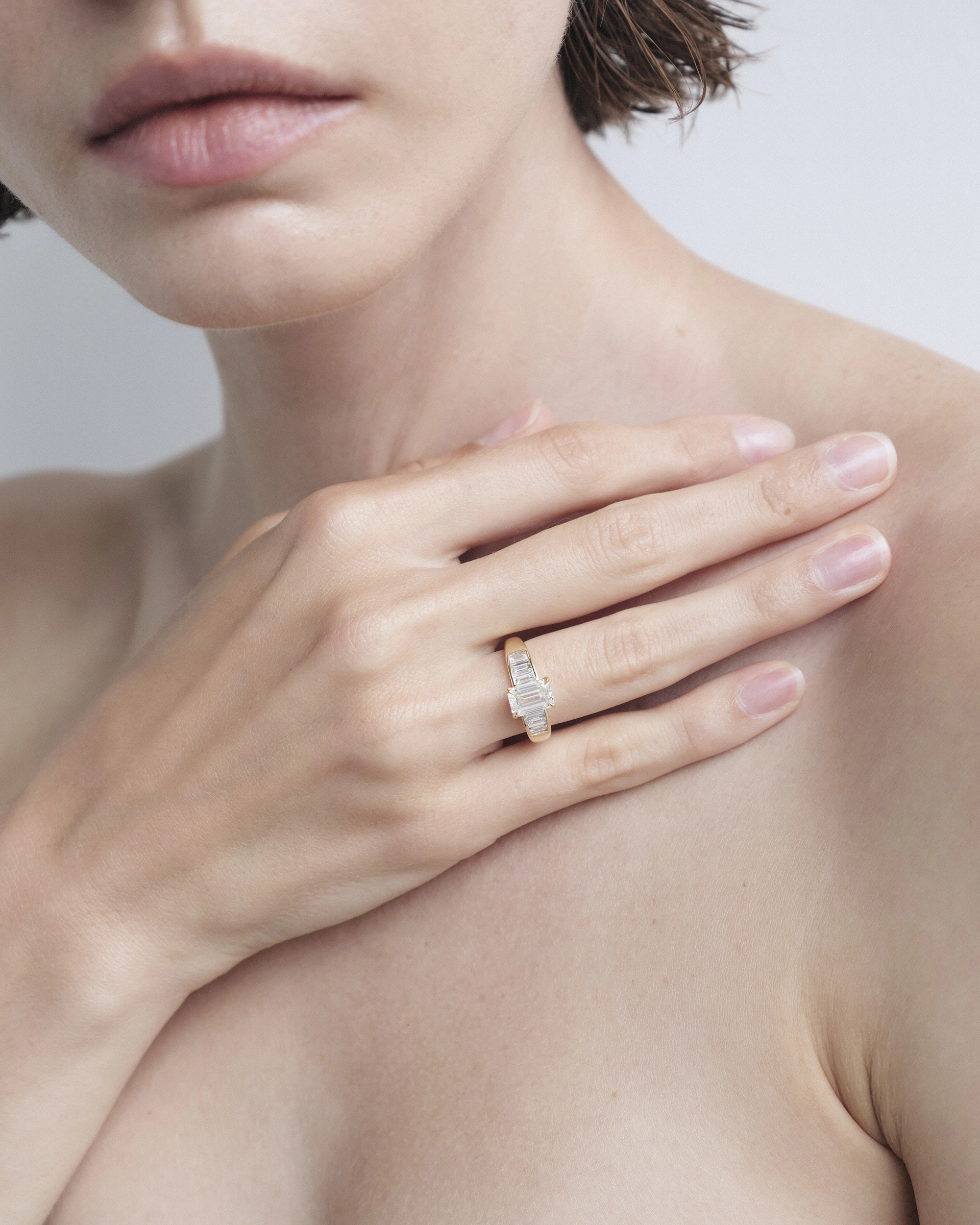
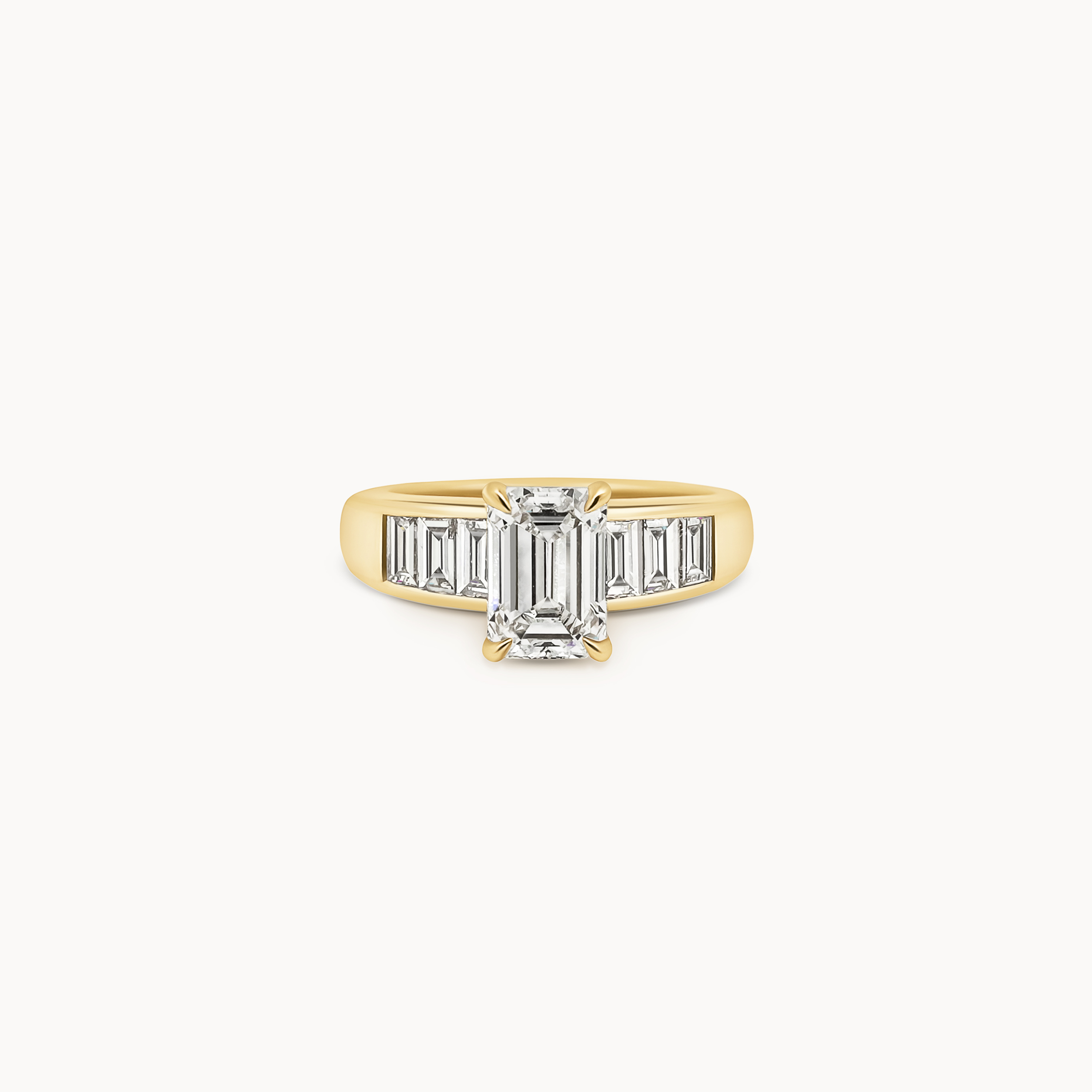
Emerald
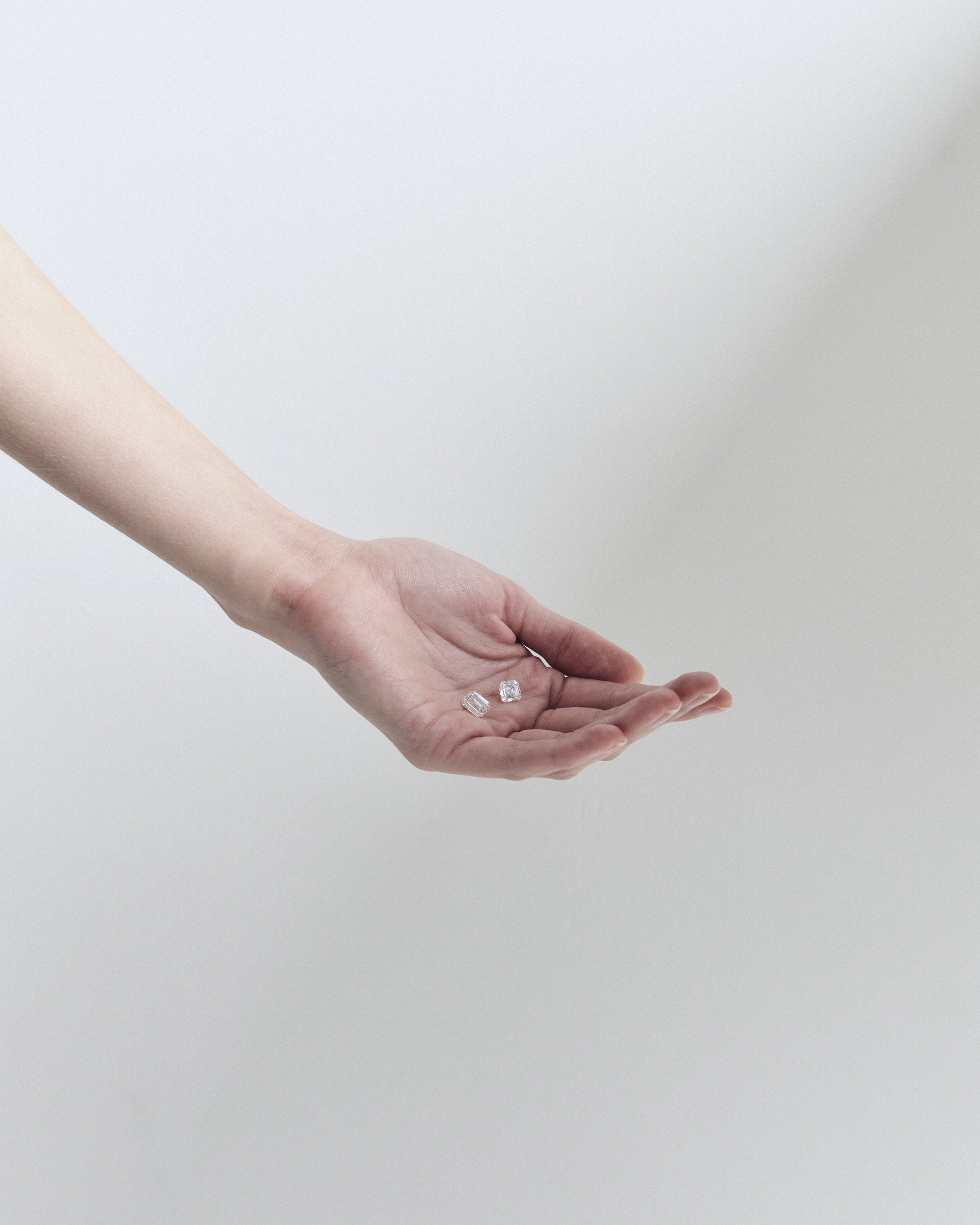
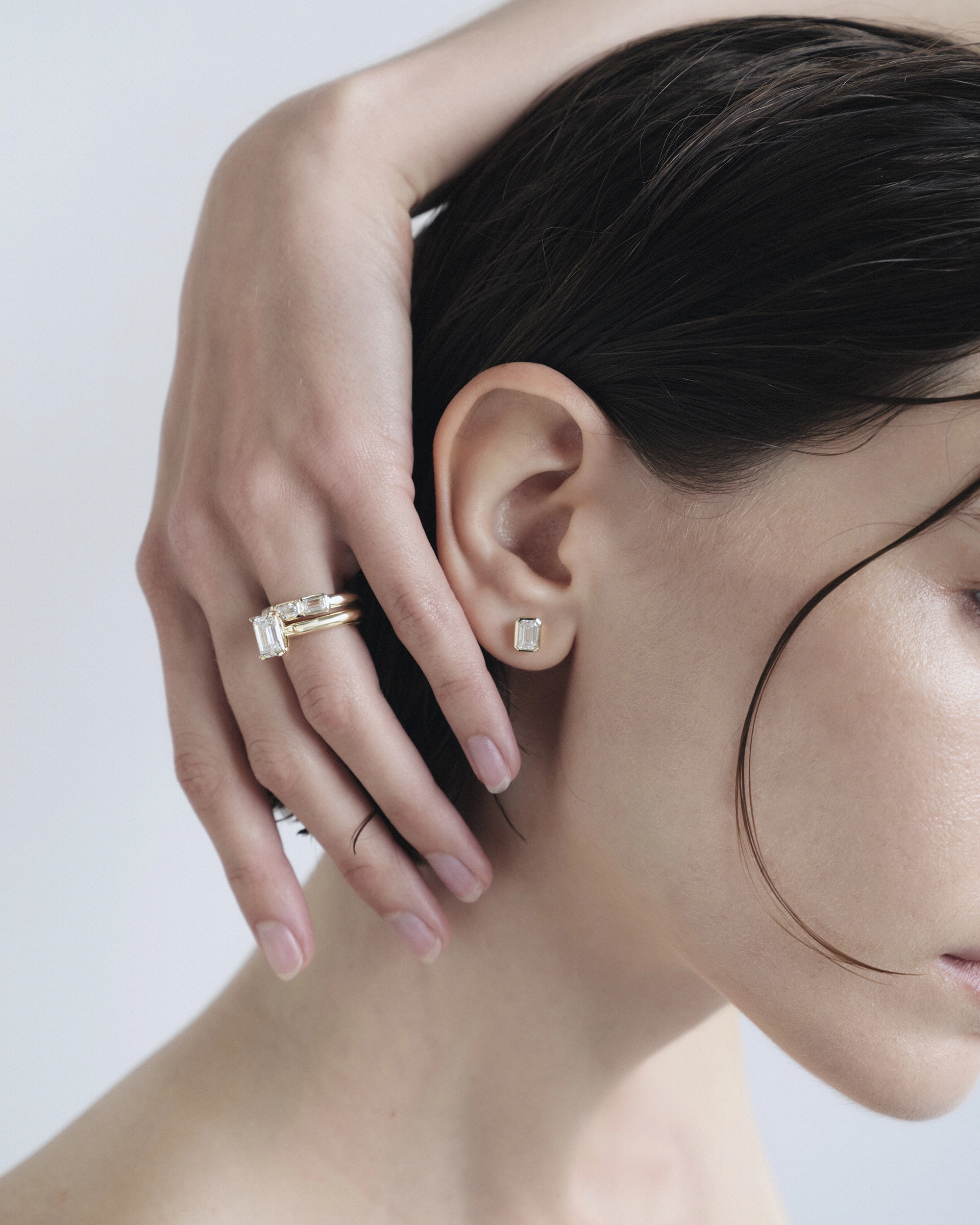
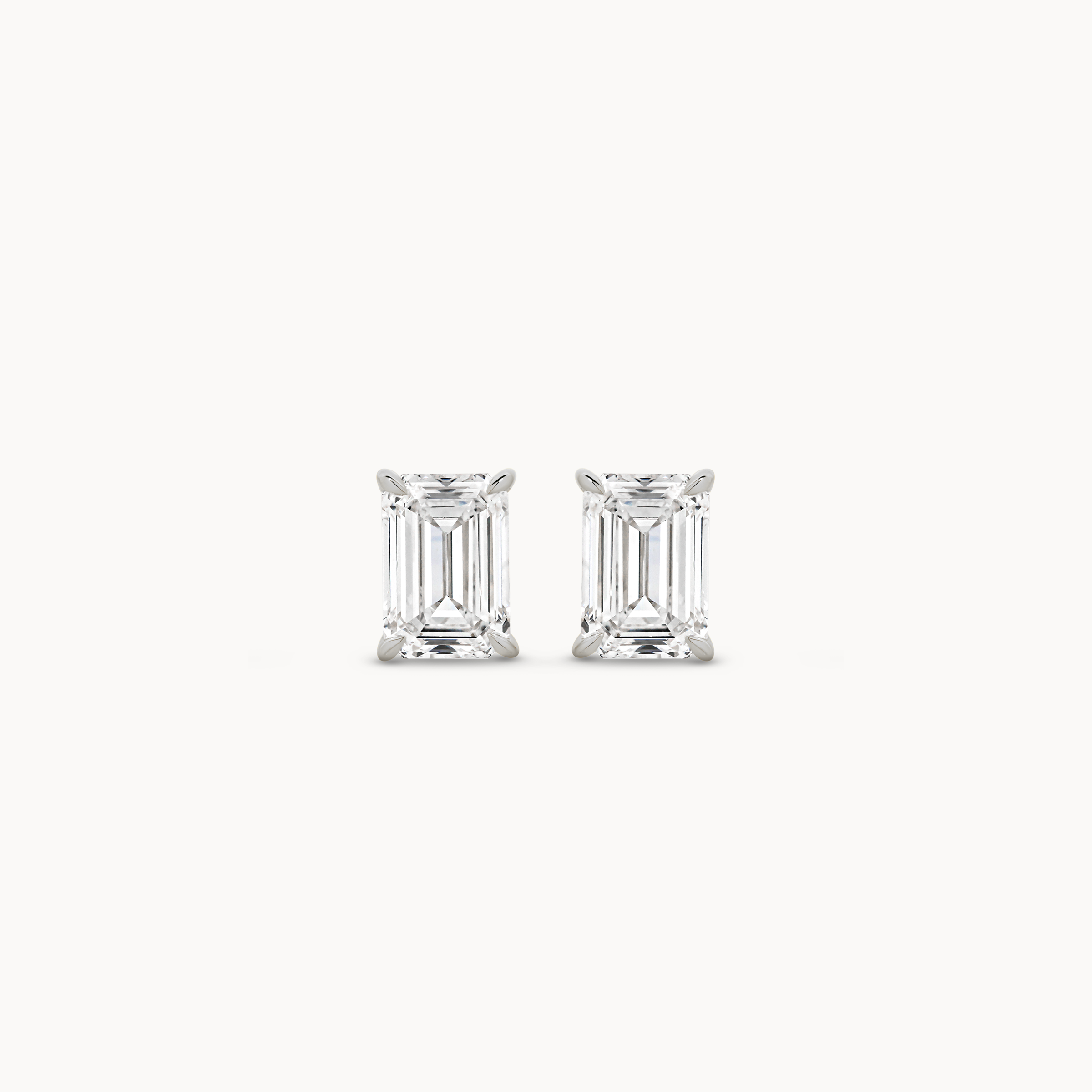
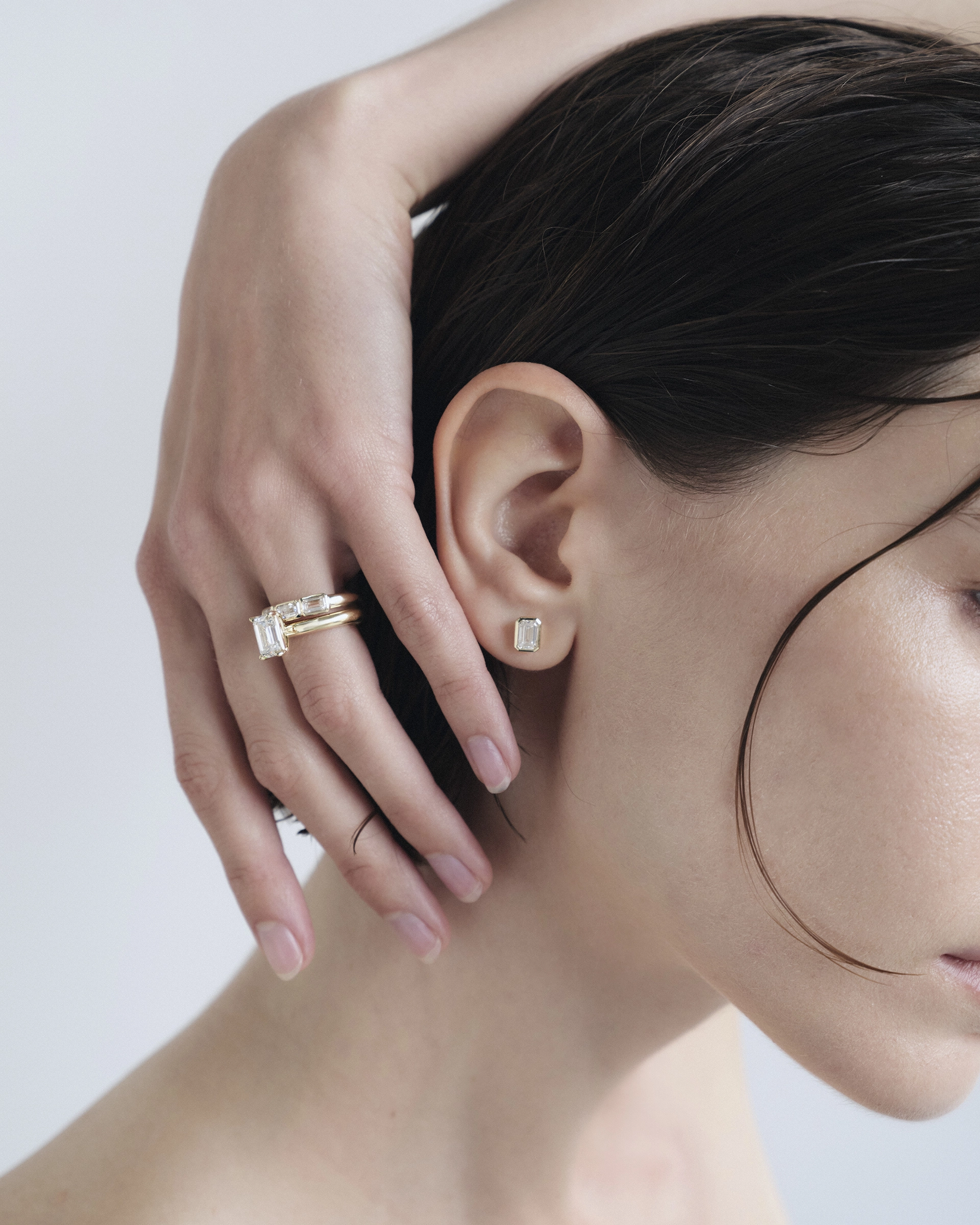
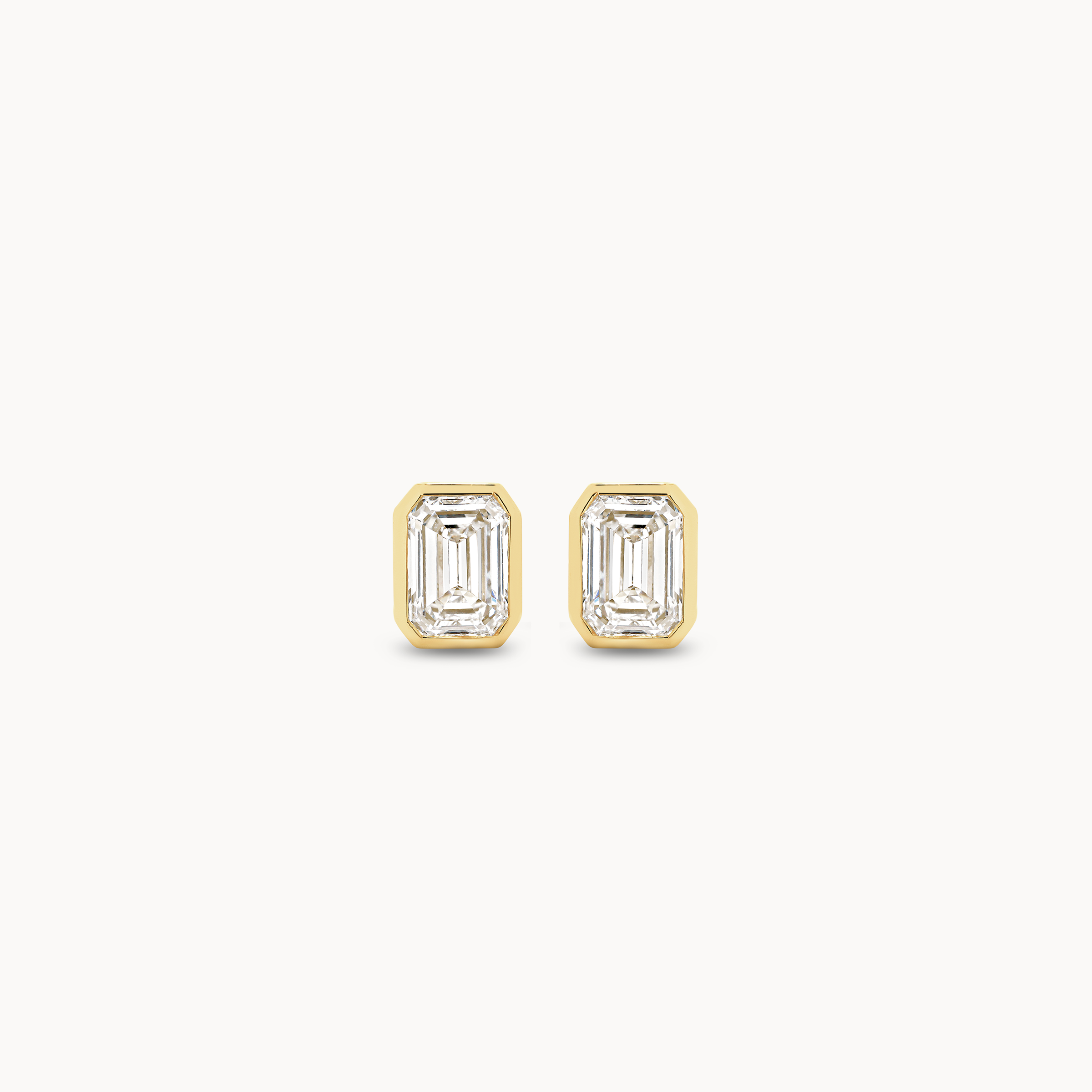
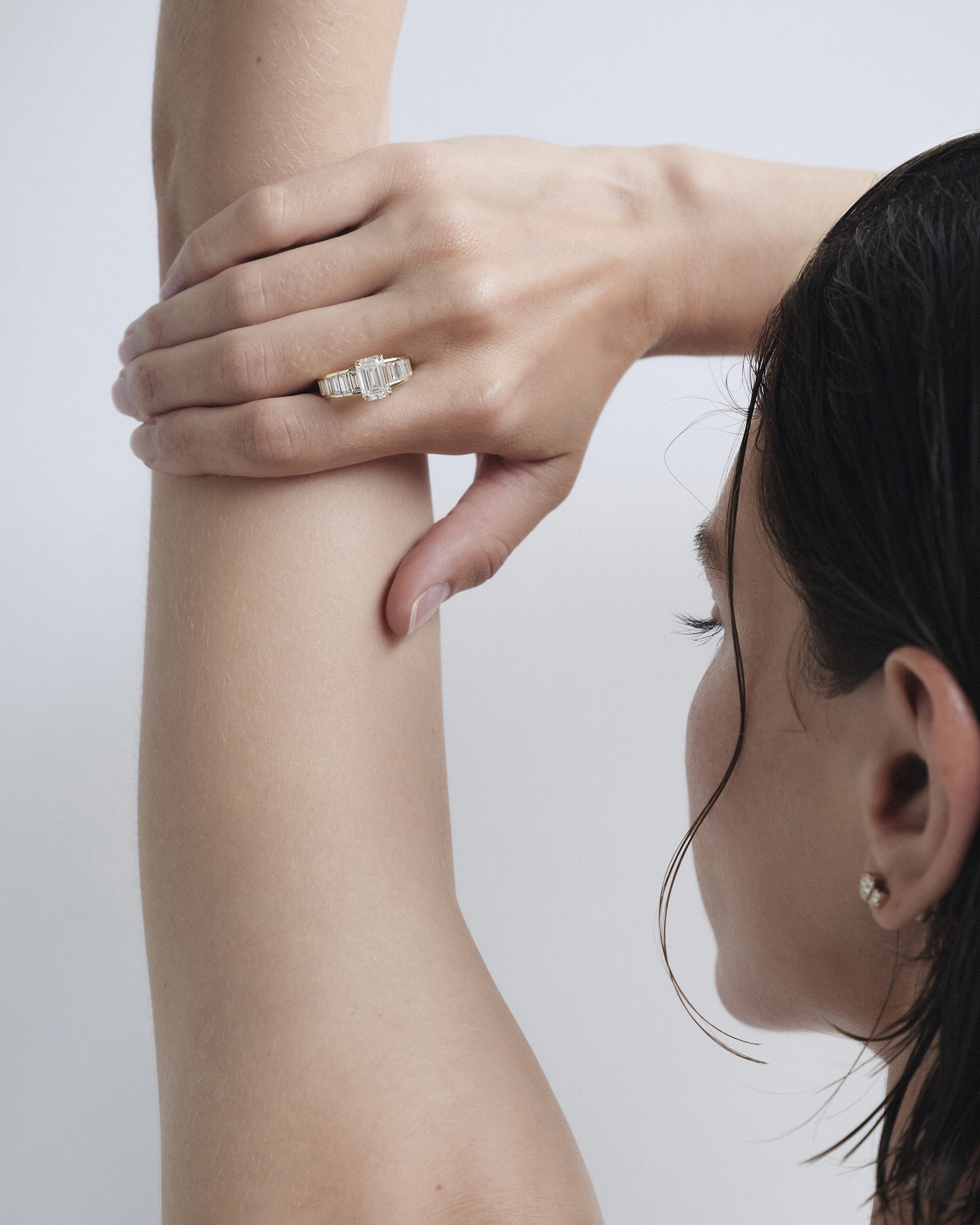
A step cut defined by long facets and clean lines. Rather than sparkle in the same way as a brilliant cut, emeralds have a calmer, glassier quality that puts proportion and clarity at the forefront.
Asscher
A square step cut with deep, geometric facets and a more compact face-up shape. Structured, distinctive and particularly beautiful in designs with strong architectural lines.
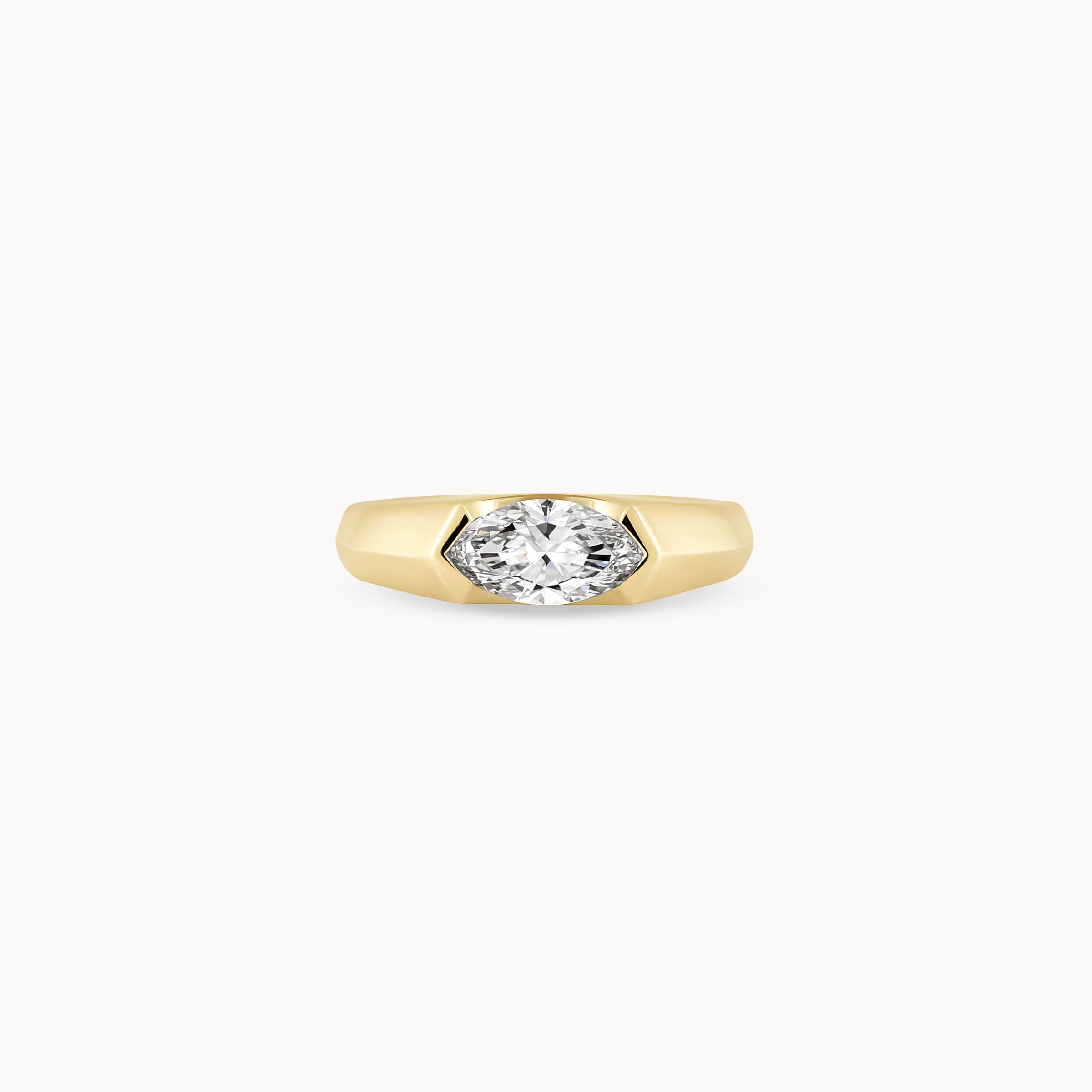
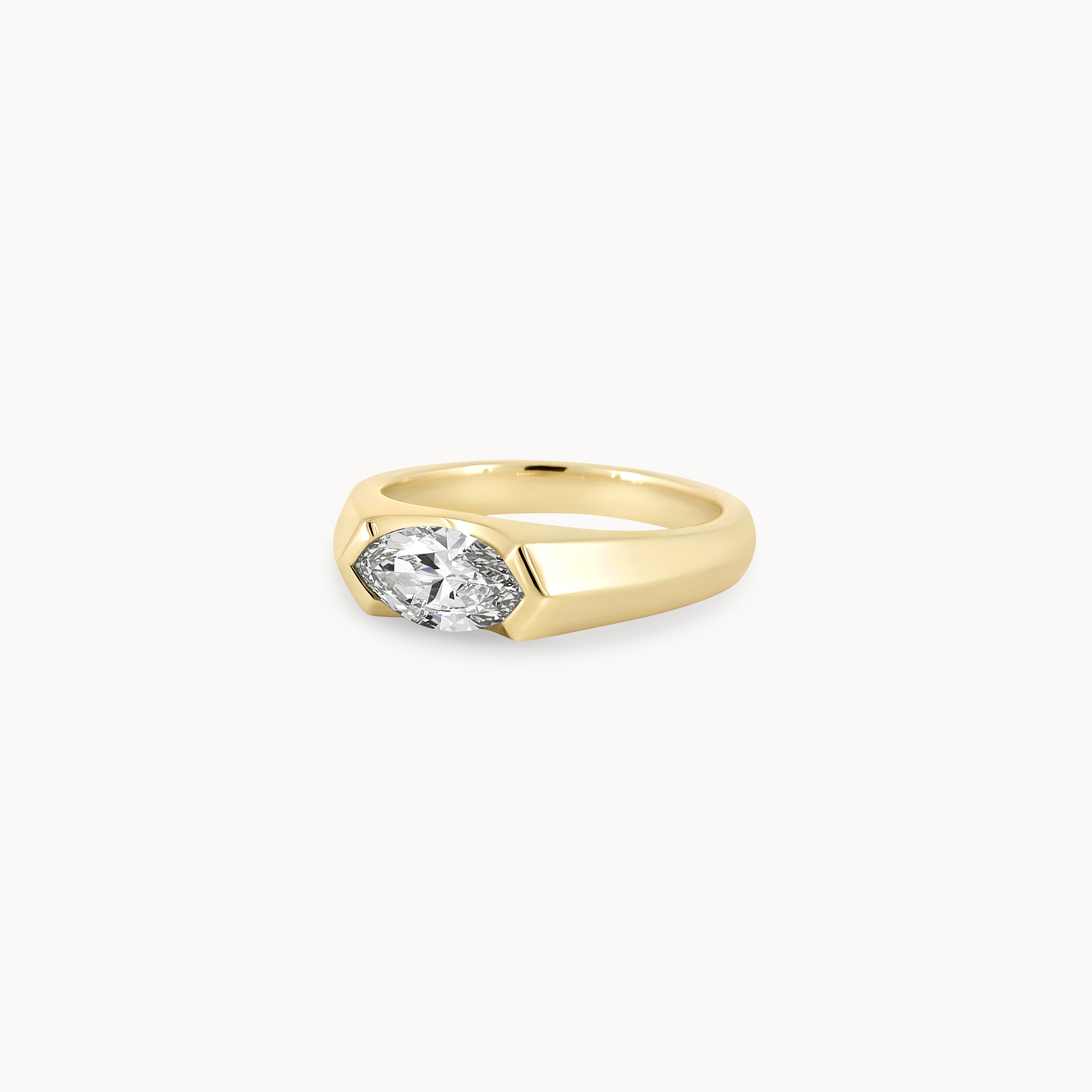
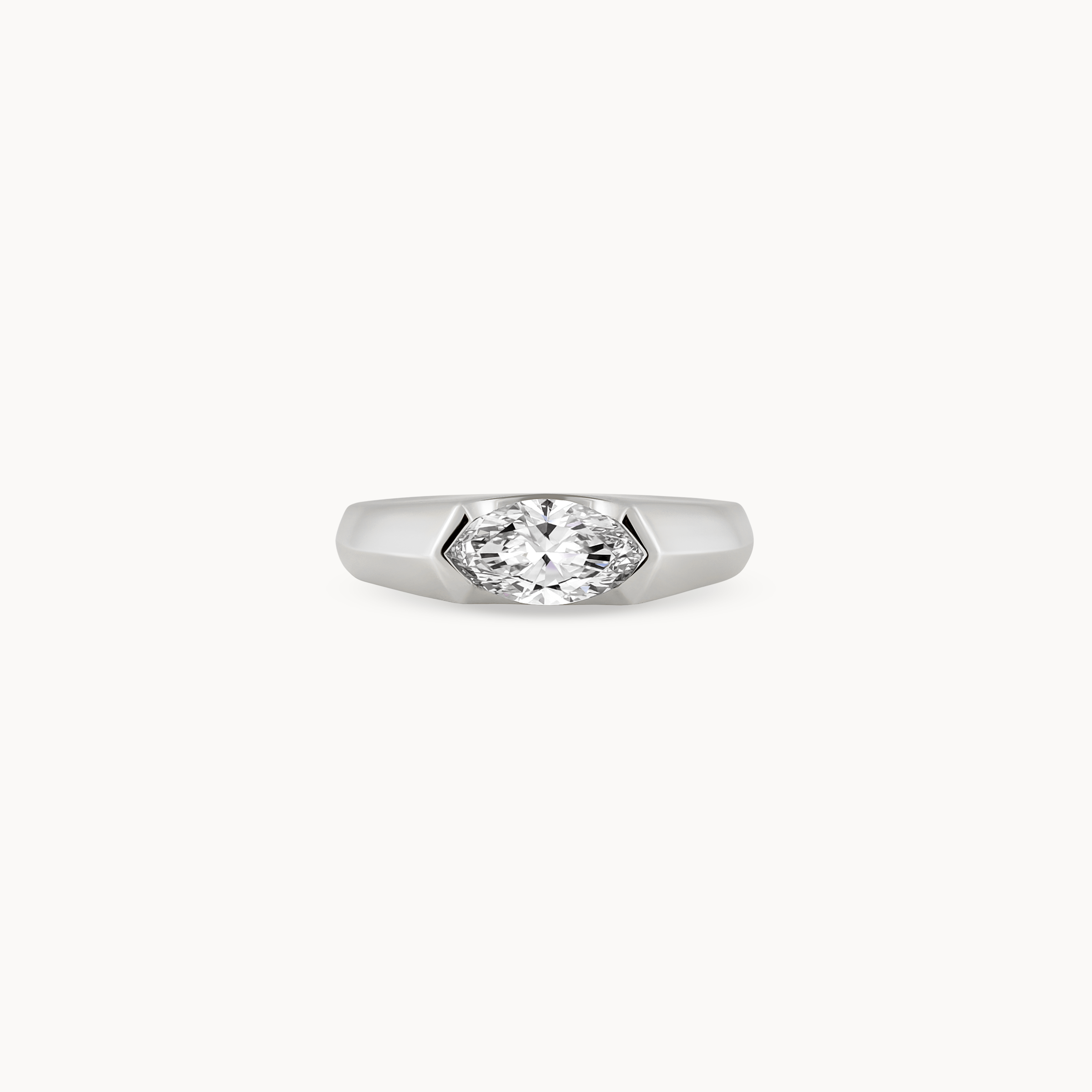
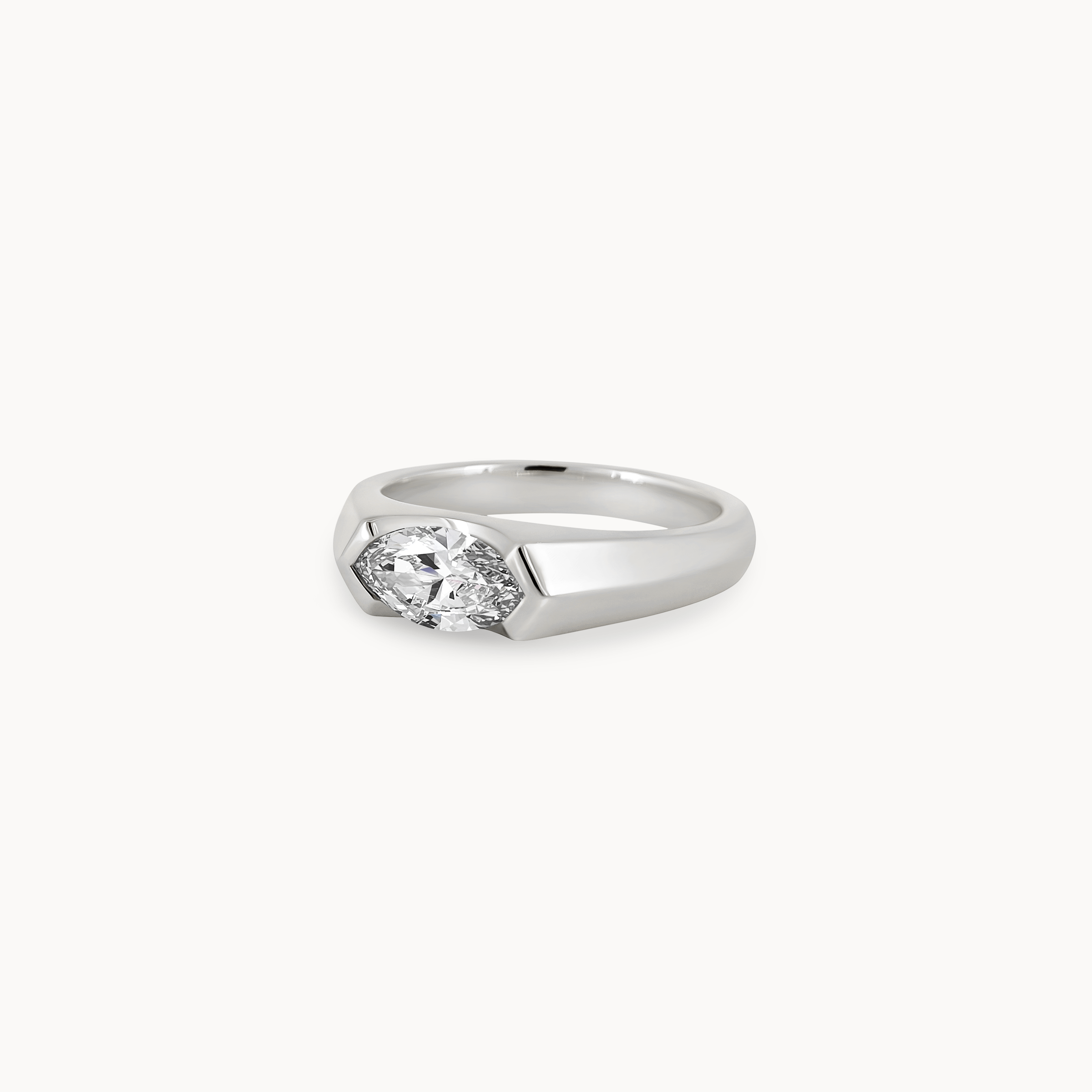
Marquise
An elongated brilliant cut with softly pointed ends and a wide face-up shape. Elegant and flattering on the hand, with a little more drama than a traditional round or oval.
Ultimately, shape is personal. It’s less about choosing the “best” cut, and more about finding the one that brings the right balance, character and presence to the finished piece.